Microtoxin Glass Skin Treatment


Botox Prices Cheshire Lasers Clinic


What is Microtoxin (Microtox)?

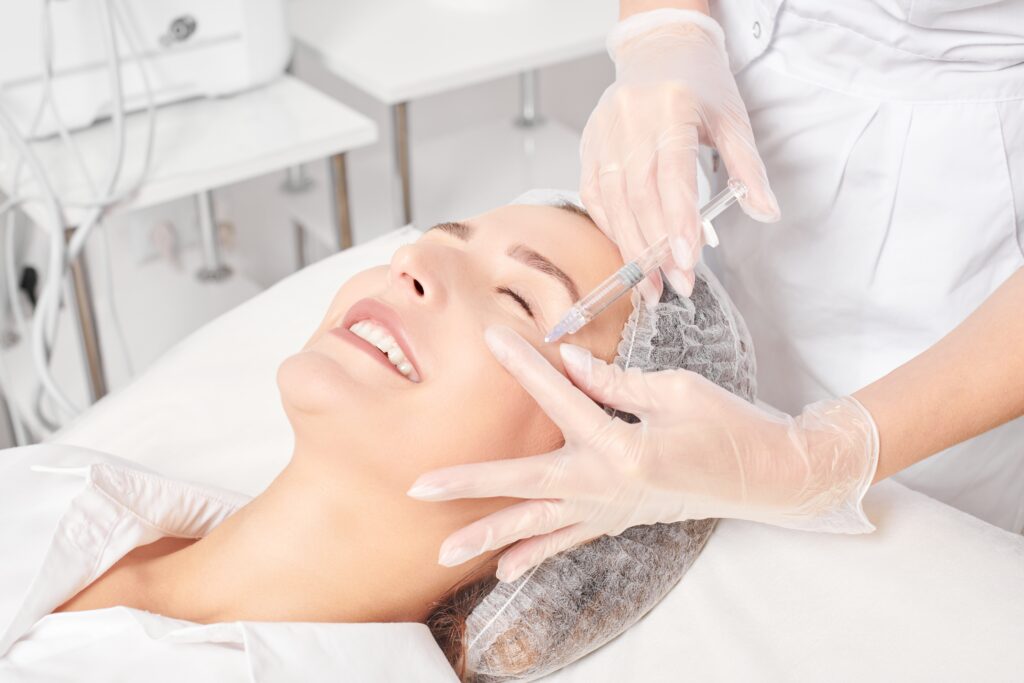
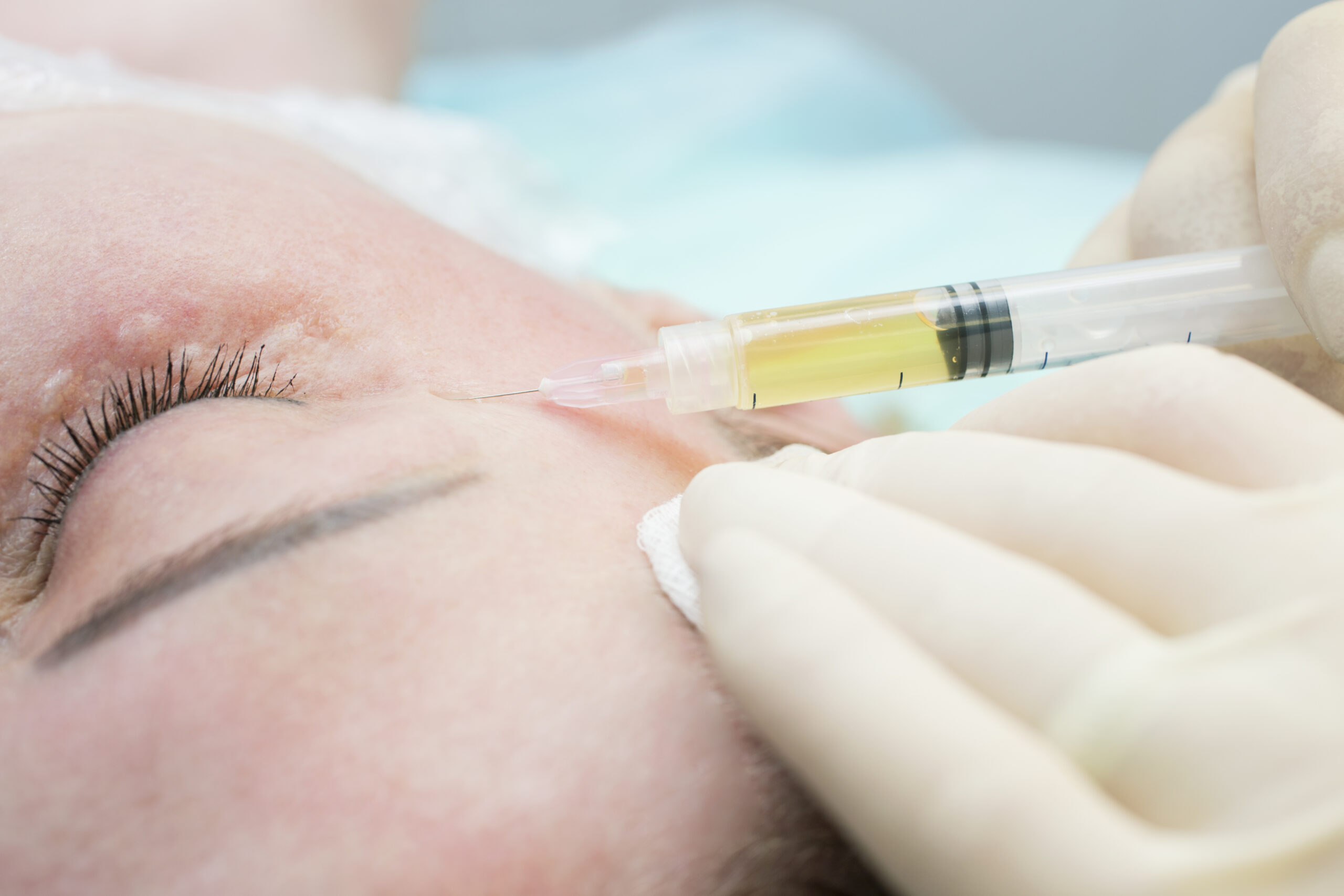
Microtoxin, also known as Microtox, Micro-Botox, or Mesobotox, is an advanced skin rejuvenation treatment designed to improve overall skin quality rather than alter facial movement.

Using highly diluted botulinum toxin, tiny microdroplets are placed into the very superficial layers of the skin across the face and neck. Unlike traditional anti-wrinkle injections, which target deeper facial muscles, Microtox works within the skin itself to create a smoother, brighter, more refined complexion while preserving natural facial expressions.

The result is the coveted “glass skin” appearance – healthy, luminous, smooth skin with improved texture and radiance.


What concerns can Microtox treat?

Microtox is ideal for improving skin quality and can help with:

  • Enlarged pores.
  • Oily or greasy skin.
  • Fine lines and crepey skin.
  • Rough or uneven skin texture.
  • Dull or tired-looking skin.
  • Facial sweating.
  • Redness associated with rosacea.
  • Overall skin radiance and luminosity.

It is suitable for both the face and neck.


How does Microtox work?

Microtox works differently from traditional botulinum toxin treatments.

Instead of relaxing the muscles responsible for expression lines, the diluted botulinum toxin is delivered into the superficial layer of the skin. This allows it to:

  • Reduce the activity of superficial oil glands.
  • Minimise facial sweating.
  • Improve skin texture and smoothness.
  • Reduce the appearance of enlarged pores.
  • Calm inflammation and facial redness.
  • Improve skin quality while maintaining natural facial movement.

The treatment enhances the skin without creating a frozen appearance.


What are the benefits of Microtox?

Microtox offers multiple skin-enhancing benefits, including:

  • Smaller-looking pores by reducing oil gland activity.
  • Reduced oil production for less greasy skin.
  • Less facial sweating helps skin stay fresher throughout the day.
  • Smoother skin texture with softer fine lines.
  • Brighter, more radiant skin with improved luminosity.
  • Natural-looking results without affecting facial expressions.
  • Reduced redness, making it a useful treatment for some patients with rosacea.

Is Microtox suitable for rosacea?

Microtox may help improve redness associated with rosacea by reducing inflammation and constricting superficial blood vessels within the skin.

While it is not a cure for rosacea, many patients notice reduced facial flushing and a more even skin tone. During your consultation, Dr Kathryn will advise whether this treatment is suitable for your skin concerns.


What happens during the treatment?

The treatment usually takes around 10 to 15 minutes.

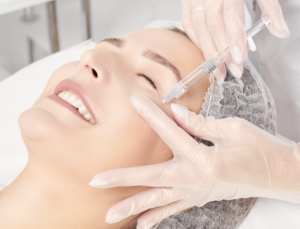
Using a very fine needle, Dr Kathryn makes multiple tiny injections of diluted botulinum toxin just beneath the skin across the treatment area.

Most patients find the treatment very comfortable, with only minimal discomfort.


Is there any downtime?

Downtime is minimal.

Immediately after treatment, you may notice small bumps, mild redness, or occasional minor bruising at the injection sites. These effects usually settle within 20 to 30 minutes, allowing most patients to return to their normal activities straight away.


When will I see the results?

Many patients begin to notice improvements within the first week, with the full results developing after approximately two weeks.

Your skin should appear smoother, brighter, more refined, and more radiant, with a characteristic glass-skin glow.


How long do the results last?

Results typically last 3 to 4 months, although this varies by individual.

Regular maintenance treatments can help keep skin consistently healthy and radiant.


What should I do after treatment?

To achieve the best results, we recommend avoiding the following for the first 24 hours:

  • Strenuous exercise.
  • Excessive heat, including hot tubs and saunas.
  • Prolonged sun exposure.
  • Facial massages or treatments.

Dr Katherine will provide you with personalised aftercare advice following your appointment.


Why choose Cheshire Lasers?

At Cheshire Lasers, all Microtox treatments are performed by Dr Kathryn Hazlehurst, who has extensive experience in medical aesthetics and facial rejuvenation.

Every treatment begins with a detailed consultation to assess your skin concerns and develop a personalised treatment plan. Our aim is to achieve healthy, natural-looking skin with subtle enhancements that leave you looking refreshed, never overdone.

Find out more about Dr Hazlehurst and view her prices here. 


Book a Microtox consultation

If you’re looking to achieve smoother, brighter, healthier-looking skin with the sought-after glass skin glow, book a consultation with Dr Kathryn at Cheshire Lasers.

We’ll assess your skin, discuss your concerns, and create a personalised treatment plan to help you achieve radiant, naturally beautiful skin.

To book, phone 01606 841255 or book appointments online here:

Book an appointment with Cheshire Lasers


Sunekos

Cheshire Lasers Clinic in Middlewich is excited to now offer the Sunekos 1200 Performa System.

Sunekos 1200 Proforma System Middlewich Cheshire


What is Sunekos?

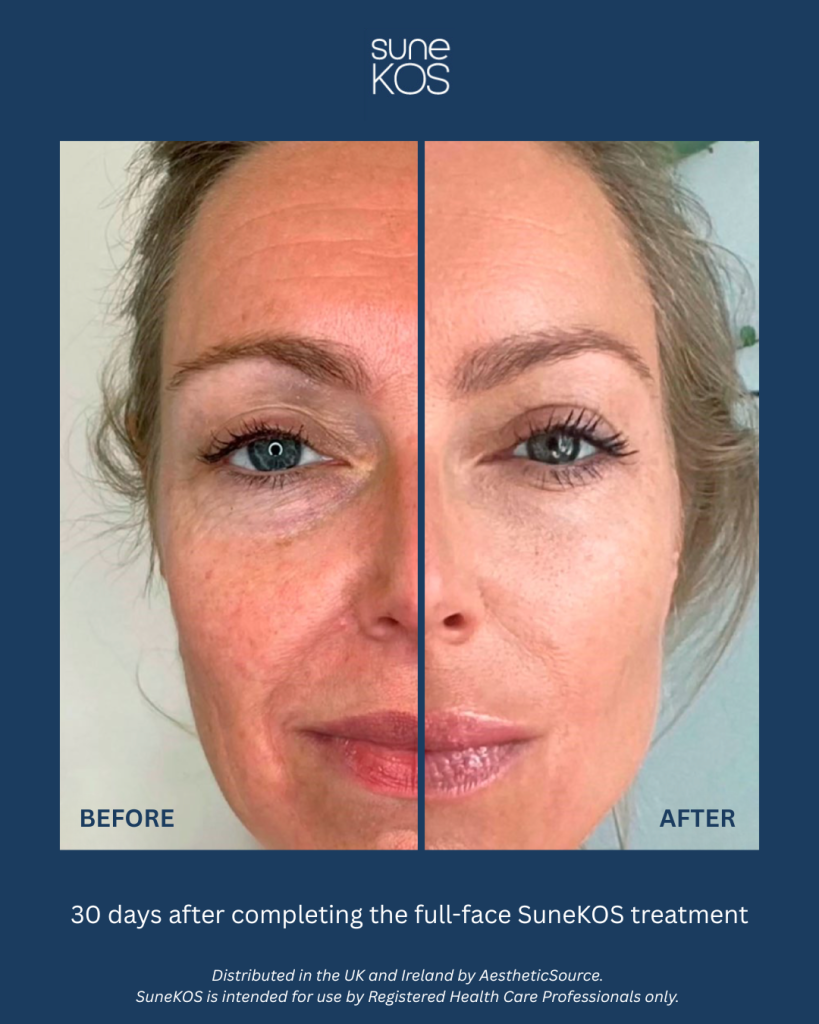
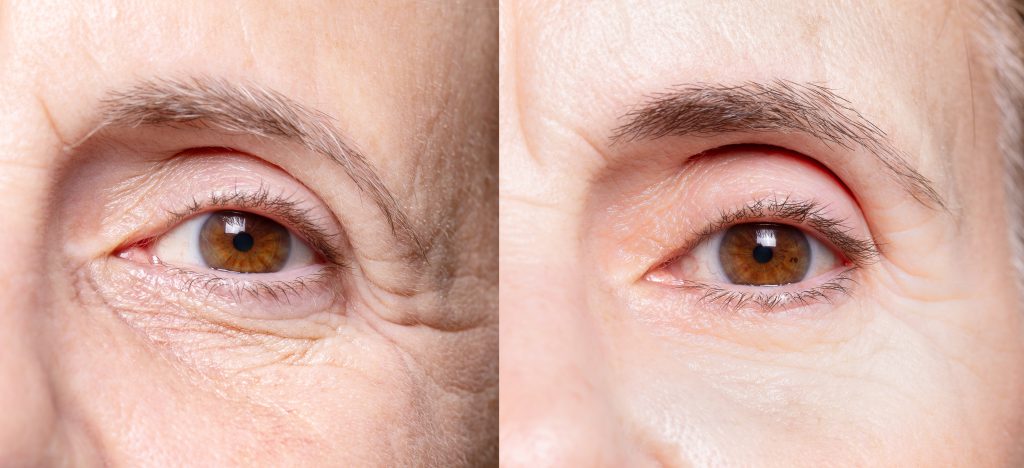
Sunekos is an injectable treatment containing 6 amino acids and Hyaluronic acid. It works by stimulating the fibroblasts in the skin to produce collagen and elastin. Sunekos helps to improve skin ageing, skin dryness, acne scarring, sun damage, loss of tone & elasticity, dark circles under the eyes and fine lines and wrinkles.

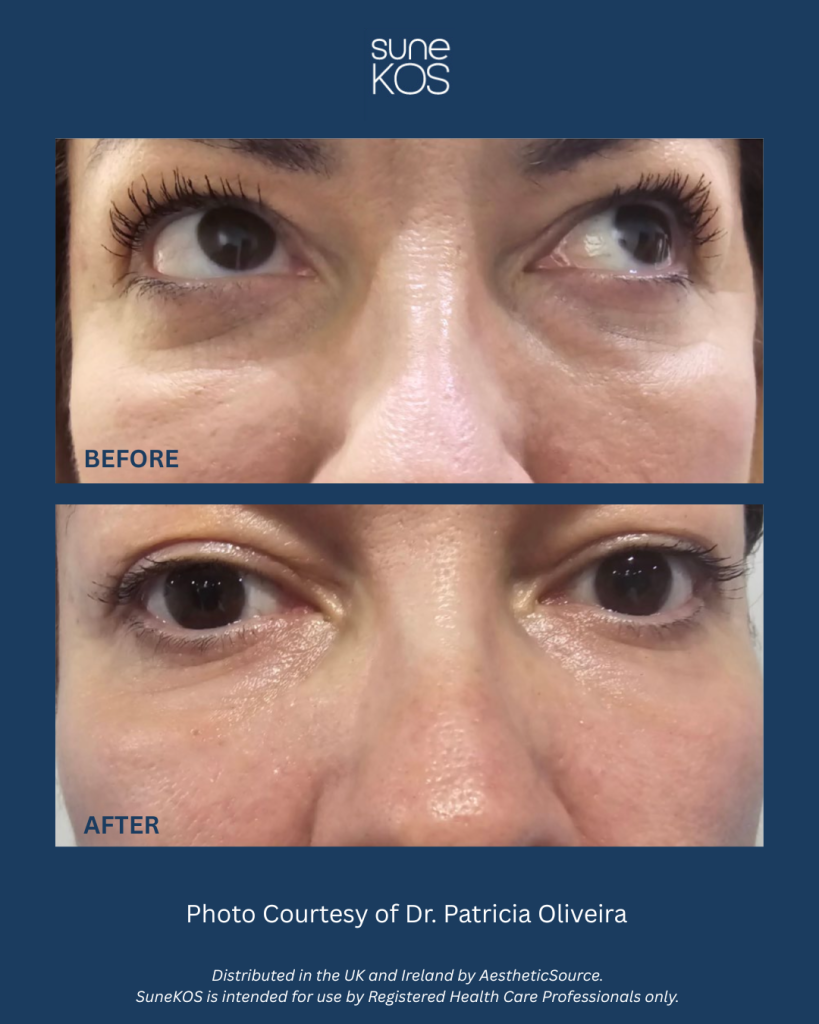
It is particularly effective in the periocular (eye) area for reducing fine lines, dark circles, and bags.

Sunekos is a natural product that not only stimulates the synthesis of collagen types 1 and 3 but also supports the synthesis of collagen types 4 and 7, as well as elastin, restoring elasticity and volume to the skin. It is a great option for people who want to improve their skin while maintaining a natural appearance.

Sunekos is also a great option for people who do not want Botox or filler treatments.


I recently had Botox and fillers. Can I still have a Sunekos treatment?

Yes. You can have a Sunekos treatment alongside other treatments to improve the quality of your skin.


Which areas can it treat?

Sunekos can treat the skin on different parts of the face and body, including the face, neck, décolleté, and hands.

Many people opt for a full-face treatment, but it can also be used on localised areas, such as the under-eye area.

It is particularly effective in the periocular area to reduce dark circles and bags, as well as on the forehead.

Sunekos can treat various indications, including loss of tone, skin ageing and premature skin ageing, skin dryness, solar elastosis, acne scarring, sun damage, dark circles under the eyes and fine lines and wrinkles.


What does the treatment involve?

A Sunekos treatment consists of a series of injections in the treatment area.

Depending on the area being treated, the Sunekos Performa protocol typically requires 3 treatments over a 4-week period. (One every 2 weeks)

Each treatment normally takes about 30 minutes.

A small percentage of people may need a 4th treatment 2 weeks later to achieve the best results.

The Sunekos 1200 Performa protocol includes an extra step during treatment 1 to address areas prone to volume loss.


Is there any Downtime?

The procedure has no downtime, and the patient can resume normal activities immediately. You will start to see some improvement after the first session.

You may have some bruising, however, which may take up to a week to resolve.


How long does Sunekos last?

Depending on the patient and their skin condition, results can last up to 6 months before the procedure is repeated.


Who performs this treatment?

Dr Teri Johnson and Dr Kathryn Hazlehurst perform Sunekos treatments at Cheshire Lasers.

Find out about Dr Hazlehurst and her treatment prices here. 

Find out more about Dr Teri Johnson and her treatment prices here.


SuneKOS before and after Cheshire Lasers


SuneKOS before and after Cheshire Lasers


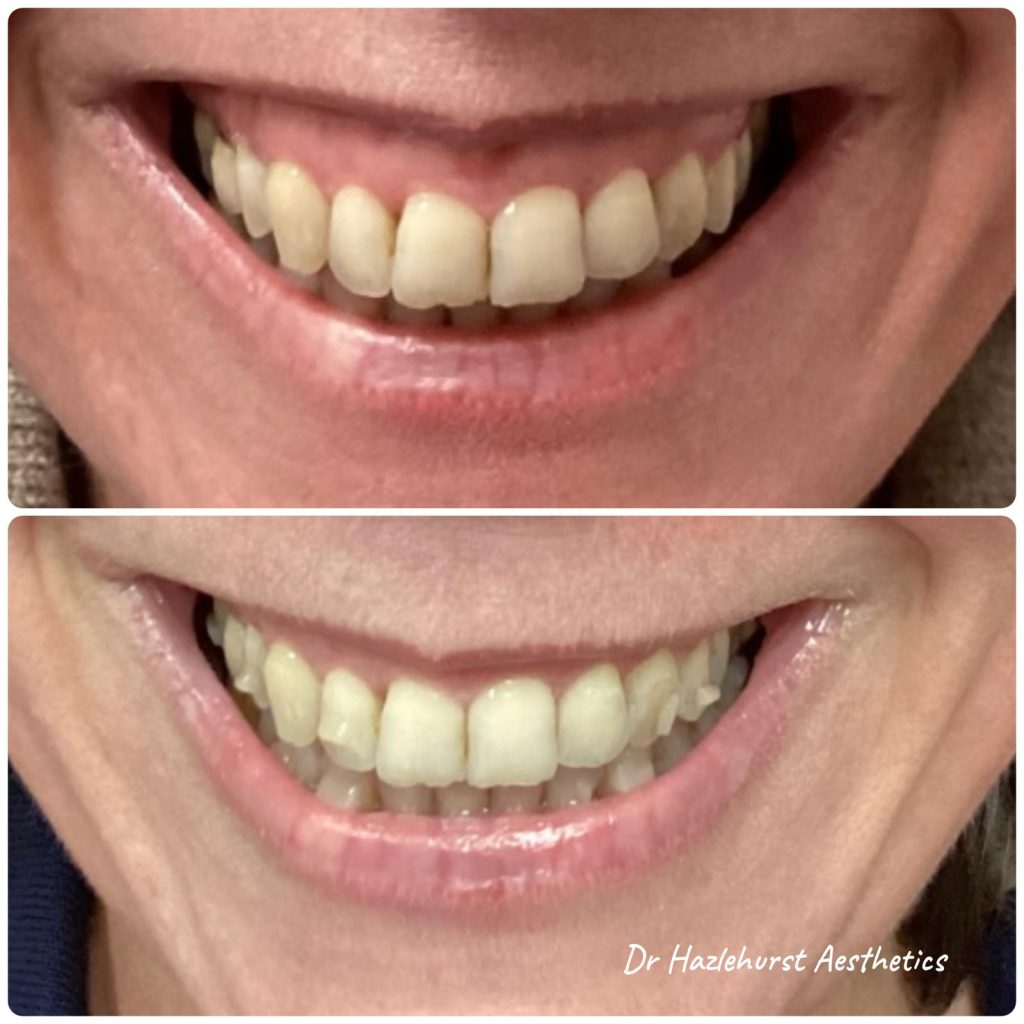
Gummy Smile Treatment with Botox


Botox Gummy smile treatment br Dr Kathryn Hazlehurst


A gummy smile occurs when more of the upper gum is visible than desired when you smile. For many people, this is caused by overactive muscles that lift the upper lip too high.


How to Treat a Gummy Smile

Several treatments can improve a gummy smile, depending on the underlying cause. Common options include:

  • Botulinum toxin – Ideal for gummy smiles caused by overactive upper lip muscles. This is a quick, non-surgical treatment with results lasting around 3–4 months.
  • Lip repositioning surgery – A minor surgical procedure that limits how high the upper lip lifts when smiling, providing a longer-lasting result.
  • Dermal fillers – In some cases, fillers can provide additional support to the upper lip and reduce gum exposure. They are often used alongside botulinum toxin rather than as a standalone treatment.
  • Gingivectomy (gum contouring) – If excess gum tissue is the cause, a dentist or periodontist can reshape the gum line to expose more of the teeth.
  • Crown lengthening – This dental procedure removes excess gum tissue and, in some cases, a small amount of bone to reveal more of the natural tooth structure.
  • Orthodontic treatment – Braces or clear aligners may improve a gummy smile caused by the position of the teeth or jaw.
  • Orthognathic (jaw) surgery – For severe gummy smiles caused by excess growth of the upper jaw.  This is typically reserved for significant skeletal concerns.

Here at Cheshire Laser, we provide Botulinum toxin and occasionally Dermal Fillers to create a more balanced, natural-looking smile.

At your consultation, your doctor will assess your concern and advise whether the treatments they provide are likely to be beneficial. Sometimes they recommend you see a cosmetic Dentist for a dental perspective also.


What does a botulinum toxin treatment for the gummy smile involve?

During treatment, a small amount of botulinum toxin is carefully injected into the muscles that elevate the upper lip. As these muscles relax, the lip sits slightly lower when you smile, reducing the amount of gum that is visible while preserving your natural facial expressions.

The procedure is quick, typically taking around 10–15 minutes, with little to no downtime. Most people can return to their normal activities immediately after their appointment. Results usually begin to appear within 3–7 days, with the full effect visible after about two weeks. The results generally last between 3 and 4 months, after which repeat treatments can help maintain your desired appearance.


Is botulinum toxin treatment for the gummy smile safe?

Botulinum toxin for a gummy smile is a safe and effective treatment when administered by a qualified medical professional.

Our doctors will tailor your treatment to your facial anatomy for natural-looking results that enhance your smile.


Who Performs Gummy Smile Treatments at Cheshire Lasers

Most of our Doctors perform Gummy smile treatments with Botox.

The image above was provided by Dr Hazlehurst.

This page links to a summary of our doctors’ prices for botulinum toxin.


Age Spot Pigmentation Removal


pigmentation age spot removal


Age spots—also known as sun spots or liver spots—are a common form of pigmentation caused by prolonged sun exposure. These flat, brown marks typically appear on the face, hands, and other sun-exposed areas, creating an uneven skin tone.

At Cheshire Lasers, we offer a range of advanced treatments to effectively reduce or remove age spot pigmentation, helping you achieve clearer, brighter, and more youthful-looking skin.


What Are Age Spots?

Age spots (also known as sun spots or solar lentigines) are flat, brown patches caused by long-term sun exposure. They commonly appear on the:

  • Face
  • Hands
  • Décolletage
  • Arms

These pigmented areas form due to excess melanin production triggered by UV damage, and often become more noticeable over time.


The Most Effective Age Spot Removal Treatments

Cheshire Laser Clinic offers a full range of clinically proven pigmentation treatments, enabling us to treat both localised spots and widespread sun-damaged areas.

When considering which treatment suits you, it’s important to be aware that there are three aspects to consider:

  • Remove existing pigment with your treatment of choice
  • Reduce pigment production
  • Prevent recurrence

The following treatments remove existing pigment :

Best Treatments for Individual Age Spots

IPL (Intense Pulsed Light) Treatment

  • Targets pigmentation using light energy
  • Breaks down melanin in the skin for natural removal
  • Ideal for superficial sun damage
  • Can not be used on suntanned skin
  • Suitable for skin types 1 to 3
  • Provided by our Laser Technician

Laser Pigmentation Removal

  • More aggressive treatment for stubborn or deeper pigmentation
  • Can not be used on suntanned skin

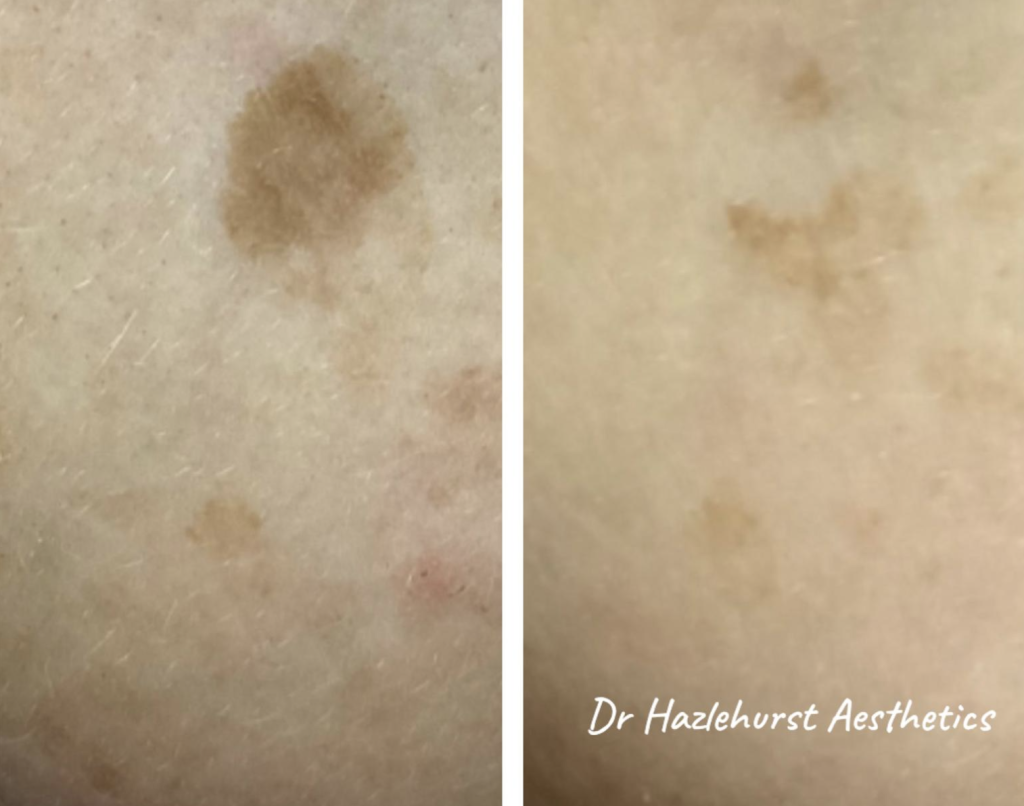
Cryotherapy for Age Spots

  • For small, well-defined superficial lesions
  • Freezes and destroys the entire treatment area
  • Age spots darken and flake off naturally
  • Provided by Dr Hazlehurst

Treatments for Diffuse Pigmentation & Sun Damage

Chemical Peels and Resurfacing Treatments

  • Exfoliate pigmented surface layers
  • Brighten and smooth the complexion
  • Ideal for widespread pigmentation

Neogen Plasma Skin Regeneration

  • Advanced nitrogen plasma technology
  • Resurfaces the skin and simultaneously improves pigmentation
  • Improves tone, texture, and overall skin quality

Radiofrequency Microneedling

  • Stimulates collagen and skin renewal
  • Improves uneven tone and sun damage
  • Targets pigmentation beneath the skin surface

Our Aestheticians provide a wide choice of peels, including BioRePeel, phFormula Mela TreatmentsBlue Radiance Peel, ZO Peels, and Dr Drinnan provides a stronger phformula TCA peel.


Treatments that reduce Pigmentation Production

Topical Treatments are the most effective at switching down melanin production in the skin. The following lists some of the important ones we use:

  • Vitamin C – inhibits the enzyme tyrosinase (needed for melanin production)
  • Retinoids (Vitamin A) – regulate melanocyte activity and speed up cell turnover
  • Niacinamide – reduces transfer of pigment to skin cells
  • Azelaic acid – suppresses overactive melanocytes
  • Kojic acid / Arbutin – block melanin synthesis pathways
  • Tranexamic acid
  • Cysteamine

Cheshire Lasers has a wide variety of topical treatments to reduce pigmentation production. Our favourites include cysteamine products, phformula mela products, tranexamic acid cream, and ZO retinol skin brightener.

For more stubborn pigmentation, we may recommend a prescription regimen of products such as the Obagi NuDerm system. This option is provided by Dr Hazlehurst.


Treatments that Prevent Recurrence

The most important treatment here is SPF. We recommend a high SPF / sunblock at all times before, during, and after your treatment.


Book Your Age Spot Removal Consultation

Ready to achieve clearer, more even-toned skin?

✨ Our expert team will create a personalised treatment plan using the most effective technologies for your skin.

👉 Book your consultation today and take the first step toward confident, radiant skin

Book a consultation with Sultana, our Laser Technician / Aesthetician, to discuss IPL/Laser, Skin Peels, Skin Resurfacing Treatments and our topical skin treatments.

IPL/ Laser Consultation

Skin Rejuvenation Consultation for other pigmentation treatments 

Book a consultation with Dr Hazlehurst to discuss Cryotherapy, her skin peels and the Obagi NuDerm system for more stubborn pigmentation.

Book an appointment with Cheshire Lasers


Before and after Cryotherapy:

Before and after Cryotherapy to age spots with Dr Hazlehurst


Injectable Collagen Stimulating Treatments


collagen stimulating treatments at Cheshire Lasers Clinic Middlewich


Dr Teri Johnson discusses her experience with injectable collagen-stimulating treatments at Cheshire Lasers Clinic Middlewich. She shares the available options for collagen-stimulating injections, their mechanisms of action, and what to expect from treatment.


What Makes Injectable Collagen Stimulators Special?

As we age, the natural production of collagen decreases, leading to wrinkles and loose, unforgiving skin formation. We also lose bone and fat in our face, which results in loss of volume and sagging. Collagen simulators can address many of these changes, delivering some fantastic results.

I fell in love with injectable collagen-stimulating treatments in 2008 when using Sculptra. This soon became my favourite treatment because of the way it stimulates our natural collagen production.  Sculptra is fantastic. It can create volume like a dermal filler and also improves skin quality. Within a few weeks of treatment, you can often see an improvement in the skin’s elasticity, hydration, firmness, and texture. A few months down the line, the results are even better.

Some collagen stimulators are only suitable for treating certain areas, whereas others are more flexible and can produce collagen wherever you inject them.

Depending on where you inject a Collagen stimulator, the effect is that if used deep, they replace volume and reposition tissues, but if placed in the skin, they improve skin quality.


Types of Injectable Collagen Stimulating Treatments:

Poly-L-lactic Acid (PLLA)

Poly-L-lactic Acid (e.g., Sculptra): is a biocompatible synthetic polymer that stimulates collagen production when injected into the skin. Sculptra is a popular PLLA filler that gradually improves skin texture and volume over multiple treatment sessions. Sculptra 150mg PLLA has been available the longest since 2004 but has been available since 2000 under the name of New-Fill. It is known for its natural, gradual results, lasting over two years.  In 2021, Lanluma was launched in the UK. It also contains PLLA. There are two types: Lanluma V: 210 mg for the face, which is like Sculptra, and Lanluma X: 630 mg  I for treating large body areas.

PLLA is injected in a suspension. After treatment, the skin looks plumped up for a day or two but quickly returns to normal over a few days.
The results are visible from six weeks and continue to develop over many months.
The results usually last over two years; improvements have been seen in some people with Sculptra up to five years later.

Poly D, L-Lactic Acid (PDLLA)

Poly D, L-Lactic Acid (PDLLA) is a biocompatible, biodegradable polymer used in aesthetic medicine to stimulate collagen production and improve skin firmness, elasticity, and texture. It’s a newer generation of collagen stimulator similar to Poly-L-Lactic Acid with some key differences that make it more versatile, especially in delicate areas like the under-eye area. It has a smoother degradation profile which means a lower risk of nodule formation compared to older PLLA injectables.

Juvelook and Lenisna are hybrid products that contain:

  • Non-cross-linked Hyaluronic Acid (HA) for immediate hydration and subtle filling.
  • Poly D,L-Lactic Acid (PDLLA) microspheres, which stimulate your skin’s own collagen production over time.

Calcium Hydroxylapatite (CaHA)

Calcium Hydroxylapatite (CaHA) Fillers (e.g., Radiesse): CaHA stimulates collagen production over time. Radiesse is made up of synthetic Calcium Hydroxylapatite (CaHA) microspheres (30%) suspended in a gel carrier (70%). The carrier gel is an aqueous gel that contains sodium carboxymethyl cellulose (CMC), glycerin and high-purity water. Radieese is a flexible product that can create Volume when used deep in the tissues and can improve the skin when injected under the skin. Radiesse is sometimes used off-label in a diluted or hyper-diluted solution to treat and improve skin laxity.

The gel gives an immediate short-term filling effect; over a few months, the gel slowly degrades collagen takes its place.
The results can last up to 18 months.

Polycaprolactone (PCL)

Polycaprolactone (PCL) Fillers (e.g., Ellansé): PCL is a bioresorbable polymer that promotes collagen synthesis and provides long-lasting results. Ellansé is a PCL filler available in different formulations, offering immediate volumisation and gradual collagen stimulation. Ellansé contains PolyCaproLactone (PCL) microspheres suspended in a carrier gel. The carrier gel consists of carboxymethyl cellulose (CMC) made from non-animal, human or bacterial sources. It has a license for treating volume loss and age-related wrinkles.

The gel gives an immediate short-term filling effect; over a few months, the gel slowly degrades, and collagen takes its place.
The results can last 18 to over 30 months.

Platelet-Rich Plasma (PRP) Therapy:

Platelet-rich plasma (PRP) Therapy, also known as Dracula Therapy, involves extracting a small amount of the patient’s blood, processing it to concentrate platelets and growth factors, and then injecting it back into the skin. PRP stimulates collagen production and promotes tissue regeneration, improving skin texture and tone.

This treatment is popular as it is natural, and no artificial products are used. After treatment, the skin is slightly swollen but returns to normal after a few days. The results from this treatment are fantastic for improving skin but can be subtle as the platelets do not stay in the skin as long as the other products. It is, therefore, not as good for creating volume unless you have a lot of treatments.
The results can last 6 to 12 months.

Profhilo

Profhilo contains high concentrations of hyaluronic acid (HA), a naturally occurring substance in the body that helps maintain skin hydration and elasticity. When injected into the skin, Profhilo spreads evenly and stimulates the production of new collagen and elastin fibres through a process known as “remodelling.” This results in improved skin hydration, firmness, and overall rejuvenation. The product remains in the skin for about a month before fully breaking down, leaving behind your natural collagen.

Profhilo only improves the collagen within the skin. It has no effect on collagen production deep under the skin and has no filling / volumising effect.
The results can last 6 to 12 months.

Polynucleotides

Nucleofill, Plenhyage, and Plinest are all polynucleotide treatments that regenerate the skin by stimulating collagen and elastin growth. They also improve signs of ageing, reduce laxity and dehydration, as well as improve scars and some pigmentation. The body breaks down the polynucleotides quickly, but the cascade of collagen production can remain for some time after treatment. Polynucleotides appeal to people some people as the particles don’t hang around in your body for months like many of the other collagen stimulators available.

Polynucleotides are excellent for improving skin quality but are not recommended for filling or volumising.

Skin improvements are usually seen 7-10 days after treatment, and continues to improve for 3-4 weeks.

The results can last 6 to 12 months.

HarmonyCa Hybrid Dermal Filler and Collagen Stimulator

HarmonyCa is a two in one treatment combining a hyaluronic acid dermal filler and CaHa collagen stimulator. This treatment provides an immediate filing effect which lasts 6 to 18 months similar to other hyaluronic acid fillers combined with the long lasting collagen stimulating effect of CaHa found in Radiesse.

The results can last for 24 months.


Benefits of Injectable Collagen Stimulating Treatments:

  • Stimulate Natural Collagen Production
  • They target the root cause of skin ageing by promoting the body’s collagen synthesis.
  • Long-lasting Results: Injectable collagen stimulators gradually improve skin texture, volume, and elasticity.
  • The treatments are injectable and have minimal downtime.
  • Most treatments can address many concerns, including wrinkles, volume loss, and skin laxity.

Considerations and Safety:

Side Effects

While generally safe, injectable collagen stimulating treatments may cause temporary swelling, redness, bruising, or discomfort at the injection site.

Irreversibility

Some injectable collagen stimulators remain in the tissues for many months. If you have a side effect or reaction you can not dissolve the product.

This is the case for PLLA, CaHA and PLL the are the three products which are the best for creating volume. Lumps and bumps can develop after these three treatments if you do not massage the area for up to a week after treatment to prevent them. There is also a rare risk of delayed lumps and bumps occurring if the body immunity react to them at any time while the particles are still there.

Fortunately PRP, Profhilo and Polynucleotides are not prone to these issues.

Results are Variable

Different people create different amounts of collagen. Results for the collagen stimulators vary with some people creating a lot more collagen than others. Without trying the treatment it is difficult to predict how good a response you will get. Also some people respond to one treatment better than another.

Maintenance

Depending on the treatment, you will usually need multiple treatments to achieve optimal results, and periodic maintenance treatments if you want to sustain the benefits.


Conclusion:

Injectable collagen-stimulating treatments offer an effective and minimally invasive approach to rejuvenating the skin and restoring a youthful appearance. By stimulating the body’s natural collagen production process, these treatments provide long-lasting improvements in skin texture, volume, and elasticity.

Whether you’re seeking to address wrinkles, volume loss, or skin laxity, consult with a qualified provider to explore the options available and embark on your journey to revitalised skin.


Interested in booking an Injectable Collagen Stimulating Treatment?

Cheshire Lasers recommends you book a consultation to discuss the injectable collagen stimulators in more detail. We can discuss your concerns and what you hope to achieve from your treatment to help decide which treatment meets your needs.


Who performs these Treatments?

The following Doctors and Nurses Perform these injectable collagen-stimulating treatments at Cheshire Lasers:

Dr Teri Johnson:

Sculptra, Radiesse, Harmonyca, Juvelook and LenisnaEllanse, Polynucleotides and Profhilo

Dr Drinnan

Harmonyca, Polynucleotides and Profhilo

Dr Hazlehurst

Polynucleotides and Profhilo


Under Eye Wrinkle Treatments


under eye wrinkle treatments cheshire


Cheshire Lasers Shares Their Quest to Improve Under-Eye Wrinkles:

Cheshire Lasers continues to invest in the latest under-eye treatments. Improving this area is challenging, and the results can be disappointing. We have so many successful solutions for treating or improving other areas of the face. However, the under-eye area has a different story.

Over the years, Cheshire Lasers has invested in numerous treatments and machines, seeking the latest and best treatment for under-eye wrinkles. Sadly, many of them have not fully met our expectations. The treatments either don’t deliver consistently high-quality results for everyone, or they cause too much downtime or discomfort. This does not mean they do not work, because they do, but the results don’t work well for everyone or don’t meet the client’s expectations.

The more aggressive treatments work the best, but some of them can leave you bruised for a week or more, especially when a course of treatments is required.


Which treatments can improve under-eye wrinkles?

Cheshire Lasers offers all of the following Under Eye Treatments.

Our favourite treatments for this area at the moment are Sunekos, Polynucelotides,  Neogen, CACI Eye ReviveUltraformer MF2 and RF Microneedling

Injectable Treatments:

Botox for Dynamic Wrinkles

Most people have heard of Botox; it is excellent for treating dynamic wrinkles, which are caused by repetitive muscle movement. Botox works by temporarily paralysing the muscles that create your wrinkles and fine lines. Treatment of these muscles relaxes them and softens the wrinkles.

Botox is very effective at muscle relaxation (it starts working within a few days), and as long as you do your research and go to a recommended experienced medical practitioner, you won’t end up with the ‘frozen face’ you see in some celebrities.

Botox helps with dynamic wrinkles, commonly known as crow’s feet, but it is less effective when your concern is directly under the eye. This is because these lines are usually due to loss of collagen and skin elasticity, not just repetitive movement.

Find out more about Botox here. 


Injectables That Stimulate Collagen Production.

Cheshire Lasers offers a wide range of injectable treatments that stimulate collagen in the skin to improve skin texture and elasticity under the eyes. They can also help improve puffiness and dark circles, and are now more popular than tear-trough injections.

They all involve a course of treatments and can deliver fantastic results. We also still provide tear trough treatments, but these are only suitable for certain patients, depending on their problem.

View all our under-eye injectable treatments here. 


Treatments For Under-Eye Wrinkles: Non-Injectable

Most other under-eye anti-ageing treatments involve damaging your skin to make it heal, repair and then regenerate. The results last for varying lengths of time. Generally, the more aggressive the treatment, the better the results and the longer they last.

There are various ways to damage the skin surface:

Some downtime:

Slight downtime:

No Downtime


Treatments unlikely to cause downtime:

Ultraformer MF2

Ultraformer MF2 causes injuries just under the skin using ultrasound energy. The high-intensity energy can be focused at the depth we want, causing injury to the collagen. It does not damage the visible upper layer of skin cells known as the epidermis, so there is little downtime.
This treatment could cause some bruising if you are unlucky. It can also cause a bit of redness, which usually goes after an hour or two. Sometimes it can cause slight swelling, which generally lasts hours or a few days if you are unlucky. Ultraformer MF2 usually requires a course of 3 treatments, sometimes more. It is currently the most popular treatment at Cheshire Lasers. The results are typically visible one month after your first treatment, but the result of collagen remodelling, tighter, younger-looking skin can take three months to be fully appreciated.

Generating approximately 65.4°C into target layers induces natural coagulation and wound-healing processes to stimulate collagen renewal underneath the epidermis. You can read the scientific explanation about how this treatment works here. 
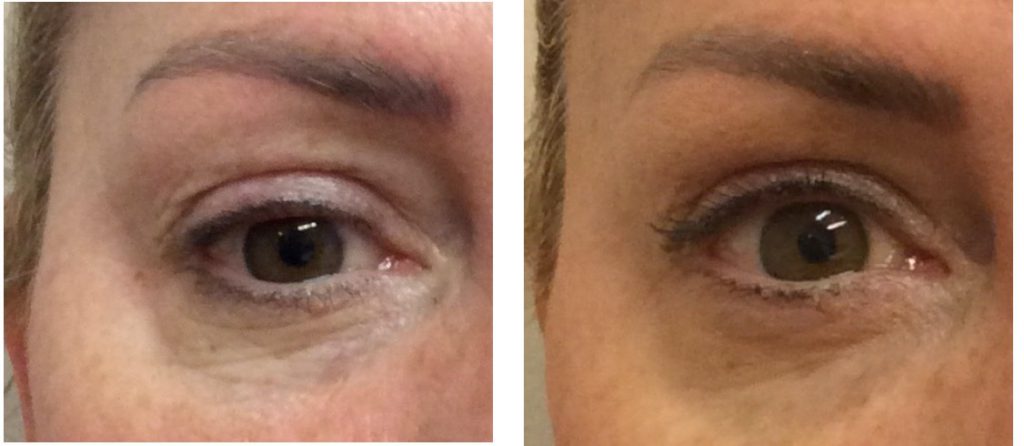
 

ultraformer mf2 eye treatment


Radiofrequency Treatments

The Endymed eye treatment uses radiofrequency technology to heat the skin to around 40 degrees Celsius, which is about the same temperature as a hot shower. The collagen in the dermis layer of the skin is heated to a temperature at which it contracts. This triggers healing and repair, producing new collagen that remodels and tightens naturally over time.
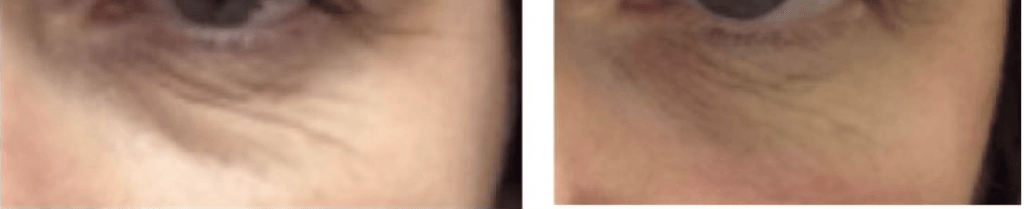
under eye wrinkle treatment radiofrequency


The CACI Eye Revive

The CACI Eye Revive Treatment involves low-level radiofrequency technology to stimulate collagen, and it then opens up the skin channels of the skin to encourage penetration of hydrating products from the eye revive mask. It soothes tired, puffy eyes, reduces dark circles, lifts hooded eyes and yes, reduces fine lines and wrinkles.

A one-off treatment can lead you to a refreshed look and is great before a special event. However, a course of treatments delivers the best results.
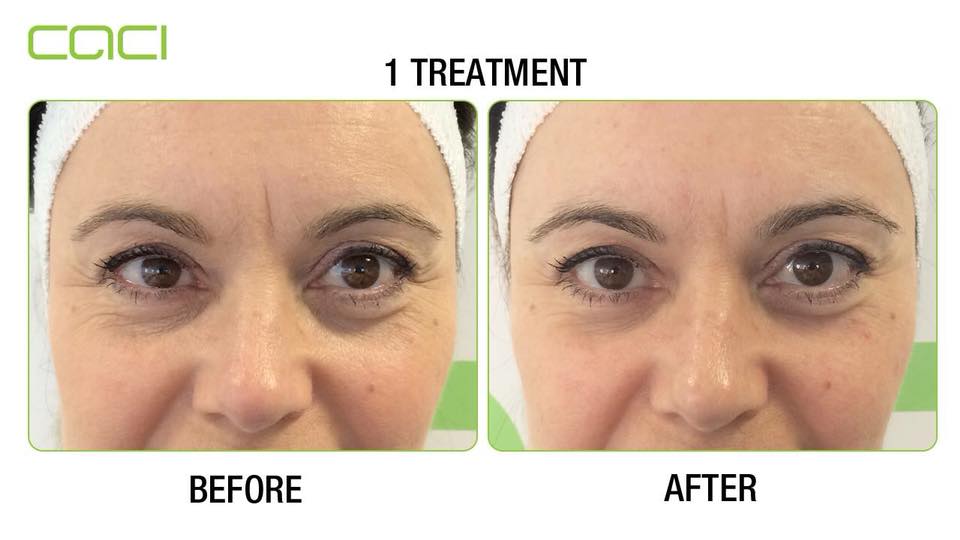
Before and after caci eye revive


Treatments causing surface trauma and downtime:

Neogen Plasma Skin Rejuvenation

Neogen uses nitrogen gas, which it converts into plasma energy. This energy improves both the epidermis and dermis layers, stimulating collagen production over time. It is one of the few treatments that can be used on the eyelids as well as the under-eye area.

A course of three or more treatments is required for optimal results, and downtime ranges from a few days to a couple of weeks. These factors depend on the strength of the treatment, which can be adjusted to meet your needs.

RadioFrequency Microneedling

Radiofrequency Microneedling involves puncturing tiny holes into your skin, which then delivers an electric current to the collagen layer. This energy damages the skin and underlying collagen, creating newer, younger-looking, firmer skin. The procedure is performed under local anaesthetic, so it is only moderately irritating, despite how it sounds.
The cons: It takes 4-24 hours for the redness to settle. 3 treatments every 5 weeks may be needed for best results, which include brightening, smoothing and fine-line reduction. However, you can take things slowly and have a treatment every few months.

Laser

Resurfacing lasers create trauma to your skin. The most popular one is a CO2 laser. This is often fractionated into small dots to reduce the amount of trauma to the skin and the downtime. There are some downsides to Laser treatment. Your skin will look and feel badly sunburned for a few days to a couple of weeks, depending on the intensity of the treatment. It then goes sandpapery for a week or two. The results can be fantastic as long as you are prepared for the downtime. No pain, no gain, as they say! This treatment is not currently available at Cheshire Lasers. Why not visit The Consulting Room website to see who provides this treatment near you.


How do I know which under-eye rejuvenation treatment is for me?

Injectable treatments can cause bruising and swelling after each treatment.

The more ablative treatments, such as CO2 laser and Plasma, may require fewer treatments but have longer downtime and can be more uncomfortable.

The Ultraformer is a compromise, as it is pretty aggressive in the deep layers of the skin but rarely causes downtime. It can be uncomfortable, but the treatment is quick, so any discomfort is over quickly.

CACI Eye Revive is a very relaxing, enjoyable treatment, but a course of 10 treatments is required once or twice a week.

RF Microneedling is an excellent treatment with excellent results and minimal downtime. However, because disposable equipment is more expensive, performing it is more costly and only cost-effective if you are considering a full-face or face-and-neck procedure.

Neogen Plasma Skin Rejuvenation can treat the eyelids as well as the under-eye area. It can be used to target your areas of concern or the full face. You can have a course of low-level treatments, which cause minimal downtime. Alternatively, a course of medium treatments gives a much more significant amount of downtime but requires fewer treatments to achieve the desired results.

Endymed Facial Tightening with Radiofrequency is also a more enjoyable treatment that feels a bit like a hot stone massage for the face. Maintenance is recommended every six weeks after an initial course of 6 to 8 treatments.

If you are not ready for any of the above treatments, you could try under-eye products. 


Please let us know if you would like a consultation for us to discuss your options.


You can book a consultation with our Senior Aesthetician to discuss the non-injectable treatments listed above here.

To book a consultation about our injectable treatments, you will need to book a consultation with one of our doctors.  View our under-eye injectable treatments and the providers who perform them here.


Why do we get under-eye wrinkles?

As we age, we lose collagen and elastin in the skin, so the skin loses its capability to bounce back when we move and make different facial expression . Facial expressions are important, but they do put a strain on our skin and its supporting collagen and over time, can cause dynamic wrinkles.

Smoking, sun exposure, diet and genetics also influence how the skin ages.

One study shows that smoking 30 cigarettes daily will add 14 years to your skin!

There are two types of UV rays present in sunlight. UVB is responsible for sunburn, and UVA is responsible for DNA damage and skin ageing.

Sugar may also contribute to premature ageing through glycation. Glycation can damage skin tissues over time, leading to fine lines and wrinkles.

Genetics and our DNA can also play a role in ageing. Often, if your parents and grandparents have great skin, you will, too. However, if they have skin issues like big pores and acne-prone skin, you may also be more susceptible to these issues.


How to prevent wrinkles?

Avoiding smoking, limiting sun exposure and cutting down on sugar will all help to improve your skin health. Eating a healthy, well-balanced diet rich in fruits and vegetables and including oily fish, like salmon, will also improve your skin health. Vitamins and minerals from fruits and vegetables will boost your overall health and give you a glow from within. Hydration is also crucial to keeping your skin healthy and clear, so ensure you are getting enough water throughout the day, too.

Some serums and creams are designed for the eye area that can help prevent more wrinkles.

The ingredients to look out for are:

  • Retinol.
  • Antioxidants
  • Patented peptides.
  • AHAs
  • Hyaluronic acid / B5 serum
Find out about these ingredients, how they work, and what products you can find them in here. 


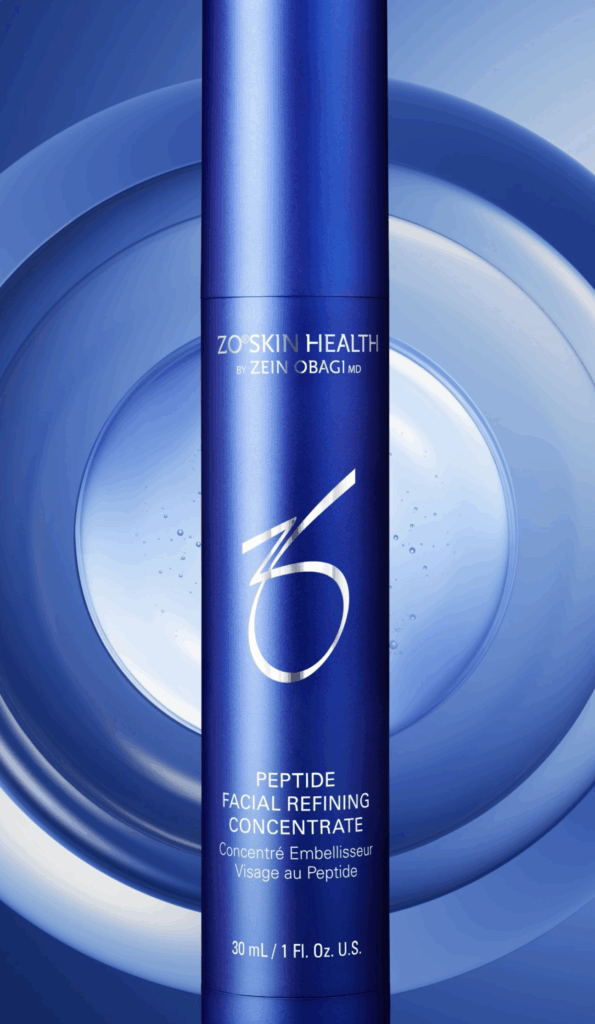
Zo Skin Health Peptide Facial Refining Concentrate

New Skin Health Product Alert: Zo Skin Health Peptide Facial Refining Concentrate.

PEPTIDE FACIAL REFINING CONCENTRATE


Who Will Benefit from the ZO Peptide Facial Refining Concentrate?

Zo Skin Health Peptide Facial Refining Concentrate can help if you:

  • Are seeing both dynamic lines (from facial movement) and static lines (wrinkles visible even when face is relaxed).
  • Have signs of lost volume (e.g. around cheeks, under the eyes, or hollows) and want something that assists in “plumping” without immediately going to fillers.
  • Would like to maintain or prolong results from treatments like fillers or Botox.
  • Want to improve skin texture, firmness, and contour over time.

What the Clinical Study Found

  • In a 12-week independent clinical study of 49 women aged 47-72 (varied skin types), they saw:
  • 84% reported visibly younger‐looking facial geometry (i.e. a more sculpted, balanced face overall)
  • 86% saw improvement in facial hollow areas (places that may have lost fullness)
  • 92% saw a reduction in the appearance of fine lines

While results aren’t instantaneous, users saw meaningful improvements over time.


Zo Peptide Facial Refining Concentrate Key Ingredients & Technology

Peptide Complex: It uses four peptide technologies that address multiple signs of skin ageing. These help smooth both dynamic wrinkles (expression lines) and static wrinkles, as well as improve the skin’s architecture.

Natural Hyaluronic Acid Support: The formula helps your skin produce more hyaluronic acid naturally, supporting hydration and restoring volume, especially in areas that have experienced hollowing or sagging.

ZPOLY™ Complex: A proprietary complex in the product meant to soothe visible redness and strengthen the skin barrier.

Fragrance-free and alcohol-free (so generally better tolerated, especially for sensitive skin).

The Peptides in Peptide Facial Refining Concentrate:

Peptide Complex:
It uses four peptide technologies that address multiple signs of skin ageing. These help in smoothing both expression lines (dynamic wrinkles) and static wrinkles, and in improving the skin’s architecture.Peptide Complex: It uses four peptide technologies that address multiple signs of skin ageing. These help in smoothing both expression lines (dynamic wrinkles) and static wrinkles, and in improving the skin’s architecture.

  Acetyl Octapeptide-3

  • Contains 8 amino acids
  • Targets the appearance of dynamic lines + wrinkles, especially around the forehead + eye area

  Acetyl Hexapeptide-8

  • Contains 6 amino acids
  • Greater precision in smoothing the appearance of deeper dynamic + static wrinkles

  Refining Peptide Complex

  • Blend of 2 active peptides
  • Supports a visibly more refined facial geometry

  Volumizing Tripeptide

  • A unique tri-peptide
  • Supports Hyaluronic Acid in the skin for fuller, plumper-looking skin


To purchase ZO Skin Health products, please contact us, as we cannot sell these products online. You may need a consultation first if it has not been recommended already.

Why not book a ZO consultation face-to-face, where we can give you some samples and assess your skin here

If you prefer an online consultation, please don’t hesitate to contact us.


Dr Teri Johnson’s Guide to Anti-Ageing Injections

Anti ageing injection treatments Cheshire Clinic

Anti ageing injection treatments Cheshire Clinic


Anti-Ageing Injections are Not Just for Wrinkles:

Anti-ageing injections are not only used to treat wrinkles. They can address various signs of ageing, including volume loss, sagging skin, and uneven skin texture. Some treatments can also stimulate collagen and elastin, while others can promote cellular regeneration, restoring hydration and skin health on a cellular level.


Types of Injectable Treatments:

Different types of anti-ageing injections are available, each designed to target specific ageing concerns in very different ways.

Wrinkle Relaxing- Botulinum Toxin Treatments

Botox is commonly used to relax facial muscles and reduce wrinkles caused by muscle movements.

Dermal Fillers

Dermal fillers add volume and smooth out lines and wrinkles. They bring about improvement to the skin due to the product itself, occupying space. They often contain hyaluronic acid, which also hydrates the surrounding tissue.

Biostimulator Treatments

Biostimulator Treatments induce a biological response in the skin, stimulating collagen production. This gradually improves the skin’s strength, firmness, and elasticity over time. The results are natural-looking as the improvement is due to new tissue formation, not from the product itself occupying space.

Collagen stimulators (Juvelook, Lenisna,  Ellanse, Radiesse, HarmonyCa and Sculptra)

Biorevitalisation Treatments

Biorevitalisation Treatments improve skin vitality at a cellular level. They include several different groups of treatments:

  • Hyaluronic acid skin boosters that improve skin hydration and dermal support e.g. Profhilo
  • Polynucleotides – stimulate cellular repair and regeneration
  • Amino acids and peptides – provide building blocks for collagen
  • Vitamins and antioxidants – reduce oxidative stress e.g. NCTF

Sunekos has a dual effect. It contains hyaluronic acid, which acts as  a skin booster, and amino acids, which have a regenerative effect — more active than simple hydration but not as potent in collagen induction as dedicated biostimulators


Anti-Ageing Injections have Preventive Benefits:

Anti-ageing injections are not just for treating existing signs of ageing; they can also be used preventively to slow down the formation of wrinkles and other age-related changes. Starting treatments earlier can help maintain a youthful appearance over time.


Temporary Results:

The results of anti-ageing injections are nearly always temporary. While Botox typically lasts for three to four months, the duration of dermal fillers can vary depending on the type used and individual factors.

Collagen stimulators can last around 2 years, while skin boosters and biorevitalisation treatments last around 6 months.


Minimal Downtime:

Anti-ageing injections are minimally invasive procedures that require little to no downtime. Most people can resume normal activities immediately after treatment, although temporary redness, swelling, or bruising at the injection site may occur. That said, we do not recommend having this treatment just before a special event. It is essential to leave at least a few days’ gap after treatment in case you experience any bruising or swelling.  We also recommend not having these treatments for the first time just before a special event. Like anything else you do for a special event, you must plan, know what to expect, and, if possible, have your first treatment well in advance to ensure it delivers the effect you want for the special day.


Anti-Ageing Injections Deliver Gradual Results:

While some improvement may be noticeable shortly after treatment, the full effects of anti-ageing injections often take several days to become apparent as the muscles relax or the filler settles into place. Also, for the best results, a sequence of treatments is often required.


Combination Treatments:

Sometimes, for best results, you may require a combination of anti-ageing treatments, such as using Botox to relax wrinkles and dermal fillers to restore volume, as well as skin rejuvenation treatments to achieve the results you were hoping for. The later you start in life, the more treatments you may need to see an improvement.


You May Require Maintenance Treatments:

Repeat treatments are usually necessary to maintain results. We usually recommend regular touch-up appointments every 3 to 12 months, depending on the treatment and your skin’s needs.  This is to deliver ongoing improvements and also to prevent the return of wrinkles and volume loss.


Potential Side Effects:

While anti-ageing injections are generally safe, they can cause side effects such as bruising, swelling, redness, and temporary muscle weakness. More severe complications are rare but can include infection or allergic reactions.


Anti-Ageing Injections are Not Suitable for Everyone:

Some individuals may not be suitable candidates for anti-ageing injections.

Sometimes, the results some people want cannot be achieved with anti-ageing injections alone. It is therefore important to book a consultation to discuss your concerns and expectations to ensure you are suitable for treatment. During the consultation, your medical practitioners can discuss alternative options to help you decide if these treatments are for you.

Some people are not suitable due to medical conditions, medications and allergies. Pregnant or breastfeeding women should avoid these treatments. Before your treatment, we recommend a consultation to discuss your medical history and health to ensure you are medically suitable.


Who Provides Anti-Ageing Injections at Cheshire Lasers

Treatments are performed by the following Doctors and Nurses at Cheshire Lasers:

Dr Teri Johnson part time GP partner Aesthetic Medicine and also the Medical Director and owner of M C Treatments.
Dr Kyra Drinnan is a GP Partner with an interest in Aesthetic Medicine.
Dr Kathryn Hazlehurst a GP trained in Medical Aesthetics and owner of Dr Hazlehurst Aesthetics.
Katey of Nevaeh Aesthetics an Aesthetic Nurse and a local community nurse with an interest in Aesthetic Medicine..


Marionette Line Treatments by Dr Kyra Drinann


Marionette line treatment br Dr Kyra Drinnan at Cheshire lasers Middlewich


What are Marionette Lines?

Marionette lines are creases that form from the corners of your mouth down towards either side of your chin. People often complain that they make them look sad, as the mouth turns down at the corners. They get their name as they resemble the appearance of marionette string puppets.


Why am I Getting Marionette Lines?

Marionette lines have multiple causes. They appear with advancing age due to volume loss in the face’s underlying structures. The commonest structures are bone and fat. As the face loses volume, gravity pulls the overlying skin down, and Marionette lines can start forming.

A contributing factor may also be the increasing strength of the muscles at the corners of the mouth, which pull the angle of the mouth down. Marionette lines develop more quickly due to lifestyle factors that reduce the skin’s collagen production, such as smoking and excess sun.


Are Marionette Lines Hereditary/Genetic?

You may have a genetic predisposition to developing marionette lines due to your underlying facial shape and the amount of volume loss you develop due to age. But as stated above, other factors also have an influence. Therefore, it is important to maintain the skin’s collagen levels by taking care of your skin, avoiding smoking and using sunscreen daily.


Will Marionette Lines Improve with Weight Loss?

Not usually; in fact, weight loss is usually a contributing factor in developing marionette lines. Weight loss can lead to volume loss in the face which then causes the soft tissues and skin to descend, causing the lines to look worse.

However, you may find that if you have gained a lot of weight recently, the distribution of fat around the face, particularly the jowl and neck area, may add to the gravitational pull of the lower face, making the Marionette lines more evident. In this case, weight loss may improve them.


Can Marionette Lines be Corrected/Treated/ Improved?

There are many ways to improve these lines, depending on the underlying cause and severity.

The area’s anatomy is complex, and treatment of this area will require a consultation first to assess the cause of your problem and give you a bespoke treatment plan.

The following treatments are the most successful, although for more severe lines, you may need a combination of several treatments for the best result:

Here at Cheshire Lasers, we only perform Dermal Fillers, Botox and Collagen induction therapies however, we will advise you if we feel other treatments are more appropriate.


How do Dermal Fillers Treat Marionette Lines?

Dermal Fillers can help improve this area in many ways.

Replace Volume Loss and Create a Lift

Dermal Fillers injected deep replace volume lost from the deep structures of the face, such as the cheek, chin and jawline. This creates support for the soft tissues of the face which can create a lifting effect that lifts the skin and improves the lines.

Supporting Sagging Skin

Dermal fillers can also improve the lines by injecting under them. Injections under the skin create a  hydrating and plumping effect on the tissues under the lines, allowing the skin to support the sagging tissues below.

Can marionette lines be filled?

Yes, dermal fillers can add support to the facial structures, which, in turn, can help reduce Marionette lines. Fillers can also be added directly into the lines more superficially.


How can Botox Improve Marionette lines?

If you have overactive muscles pulling down the lower face. Botox is a treatment option; it reduces the downward pull at the corners of the mouth, which can help reduce the appearance of Marionette lines and create a subtle lift to the corner of the mouth.


How do Collagen Induction Therapies Improve the Lines?

Collagen induction therapies such as skin boosters, polynucleotides, microneedling, chemical peels and radiofrequency microneedling can help tighten the skin and improve skin quality. Full-face treatments deliver the best results as they can create a general lift that reduces the marionette area’s downturn and improves the skin’s support in the problem area.


Before and After Marionette Line Treatment with Dermal Filler

Marionette line treatment Cheshire Dr Drinnan


Content created by Dr Kyra Drinann at Cheshire Lasers Clinic, Middlewich.


Which Treatment is best for the under eye area Polynucleotides or Tear Trough Fillers?


Polynucleotides treatments like Plenhyage, Plinest & Nucleofill


Under Eye Rejuvenation Treatments: Polynucleotides vs Fillers

Are you confused about under-eye injectable treatments?
Dr Teri Johnson explains the difference between two popular eye treatments, the pros and cons, and which concerns they treat the best.


Advantages of Polynucleotide (PN) Treatments:

Polynucleotides are often the most popular treatment for treating the under the eye. This is due to their regenerative nature, which provides natural-looking results perfect for addressing the problems seen under-eye area.

Here are some reasons why PN treatments may be favoured above tear trough fillers under the eye:

Tissue regeneration:

PN treatments stimulate the body’s natural regenerative processes, promoting collagen production and skin rejuvenation. This can help improve skin texture, elasticity, and overall appearance under the eyes, addressing concerns such as fine lines, wrinkles, and skin laxity.

Natural results:

PN treatments can provide more subtle and natural results than tear trough fillers, which can sometimes lead to overfilling or an unnatural appearance. By enhancing the body’s natural collagen production, PN treatments can yield more subtle and gradual improvements that blend seamlessly with the surrounding skin.

Non-invasive approach:

PN treatments are typically administered through minimally invasive injections, making them a preferred option for individuals who prefer non-surgical or minimally invasive procedures. This can result in minimal downtime and reduced risk of complications compared to tear trough fillers, which involve the injection of dermal fillers into the delicate under-eye area.

Long-term benefits:

While tear-trough fillers may provide immediate results, their effects can be temporary, requiring repeated treatments to maintain the desired outcome. In contrast, PN treatments can yield more sustained and long-term benefits, promoting natural collagen production and skin regeneration.

Safety profile:

PN treatments generally have a favourable safety profile, with minimal risk of adverse reactions or complications when administered by a qualified healthcare professional. This makes them a safer option for individuals concerned about the potential risks associated with tear trough fillers.


Disadvantages of Polynucleotides

While polynucleotide (PN) treatments have shown promising results in skin rejuvenation, there are disadvantages that individuals should be aware of before undergoing this procedure.

Limited immediate results:

Unlike some other cosmetic procedures, the results of PN treatments are not immediately apparent. It takes time for the body to respond to the treatment and for the desired improvements in skin texture and appearance to become noticeable.

Temporary nature of results:

While PN treatments can stimulate collagen production and promote skin rejuvenation, the results are not permanent. To maintain the desired outcomes, individuals may require multiple treatment sessions over time, which can involve ongoing time and financial commitments.

Varied individual responses:

The effectiveness of PN treatments can vary from person to person, depending on factors such as skin type, age, and overall health. Some individuals may experience more significant improvements than others, and the degree of response may not be predictable.

Cost considerations:

PN treatments can be relatively costly, especially when considering the need for multiple treatment sessions to achieve and maintain the desired results.


Advantages of Tear Trough Fillers

Tear trough fillers are a popular choice for addressing hollowing under the eyes. This is due to their ability to provide immediate and visible skin lifting.  Tear trough fillers are preferred under the eye for the following reasons:

Immediate results:

Tear trough fillers provide immediate volume correction by filling the hollow under the eyes. This quick and noticeable improvement is highly desirable for individuals seeking immediate results.

Targeted Lifting of Hollowing:

Tear trough fillers lift depressions under the eyes, reducing the appearance of under-eye hollows.

Customisable treatments:

Tear trough fillers allow for precise and customisable treatments tailored to the unique anatomical needs of each patient. A suitable individual filler can achieve a natural lift to improve the hollow under the eye area.


Disadvantages of Tear Trough Fillers

While tear trough fillers can effectively treat under-eye hollows, there are disadvantages to their use. It is, therefore essential for individuals considering this treatment to be aware of these factors.

Risk of complications:

While tear trough fillers are generally safe, there is a risk of potential complications. These include the common ones such as bruising, swelling, redness, or infection at the injection site. However, in rare cases, more severe complications like vascular occlusion can occur. An occlusion can cause skin ulceration and facial tissue damage, rarely lead to blindness.

Need for a high level of expertise:

For a successful tear trough filler treatment, you need a practitioner with experience. They need an excellent understanding of facial anatomy and understand how and where to treat delicate under-eye area. In inexperienced hands, there is an increased risk of improper placement, asymmetry, or overfilling, leading to an unnatural appearance.

Risk of nodules or lumps:

Individuals may sometimes develop small nodules or lumps at the injection site following tear trough filler treatment. You can sometimes massage these away, but your qualified practitioner can also dissolve them.

Filler Migration:

Tear trough fillers can migrate, causing unwanted swelling and puffiness in the nearby area. This can occur days to years later, and the swelling can last several years unless it is dissolved with hyaluronidase. Even when the treatment is performed in the most experienced hands, filler can easily migrate from the injected area.  No barrier holds the filler in the tear trough area, so it can move outside of the hollow area over time.

Longevity of the Filler.

While tear trough fillers offer immediate results, it is essential to note that their effects are temporary, typically lasting anything from six months to a year. However, some filler can remain in the treated area for several years. In fact, some MRI studies have shown filler can remain even five years after treatment.

In contrast, PN treatments may offer longer-term benefits by stimulating collagen production and promoting skin rejuvenation. Polynucleotides do not stay in the skin for long and do not cause side effects later down the line. Should they migrate, they simply stimulate rejuvenation/revitalisation in the area.


How do you decide which treatment is for you?

The choice between tear trough fillers and PN treatments depends on individual preferences and their specific concerns. A comprehensive consultation with a specialist who understands the treatments can help determine the most suitable treatment. They will need to examine you, assess your anatomy and concerns and discuss with you how best to achieve your aesthetic goals.

At Cheshire Lasers, the following Doctors and Nurses perform Polynucleotide treatments and tear-trough fillers. If you are considering a treatment, we recommend you book a consultation with one of them to assess your concerns.


Do you prefer a non-injectable under-eye treatment?

Cheshire Lasers also provides under-eye treatments using medical devices such as HIFU, Radiofrequency, and CACI.

Find out more about these treatments here.