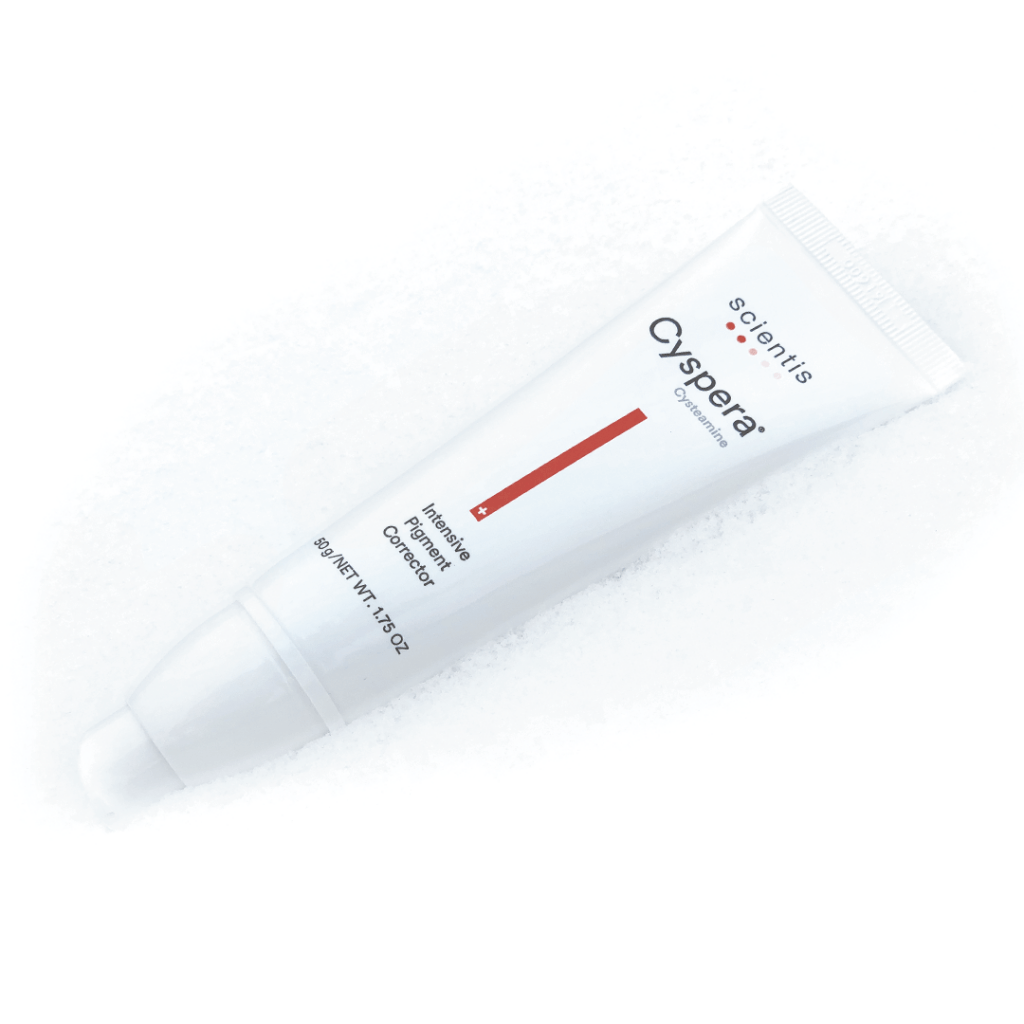
Cyspera


cyspera cysteamine cream Cheshire


What is Cyspera Cysteamine Cream?

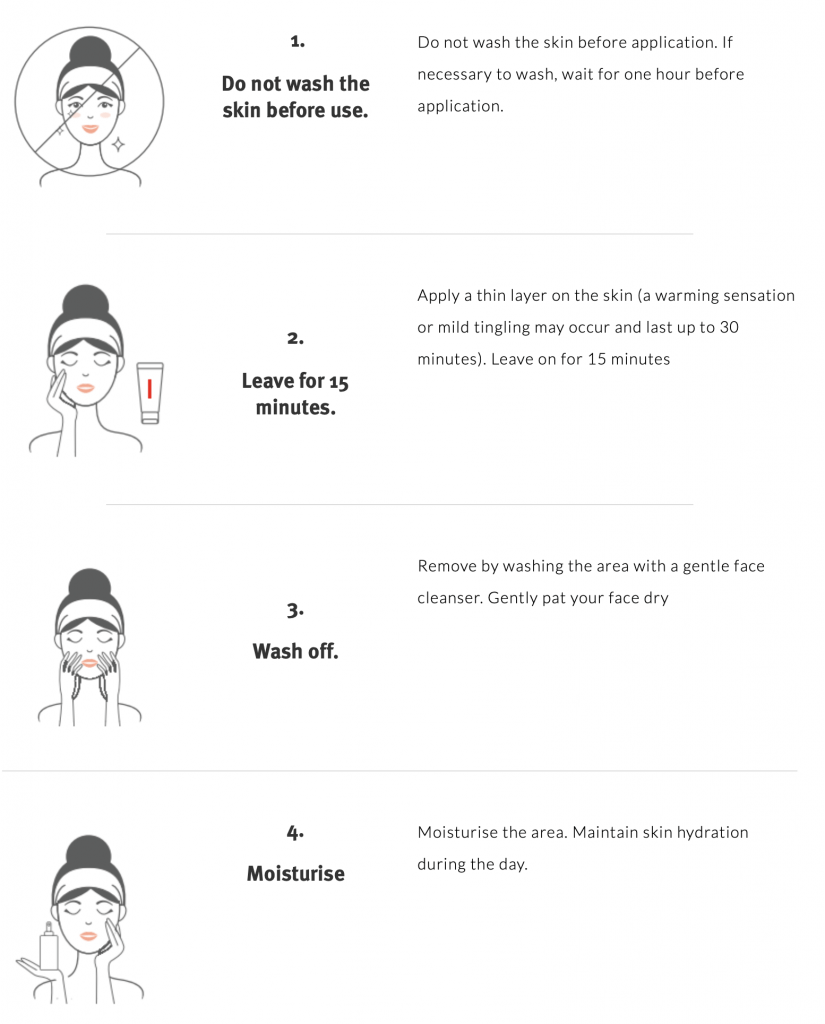
Cyspera was the original and first cysteamine cream. It contained 5% Cysteamine cream, which can lighten skin and treat hyperpigmentation disorders such as age spots, melasma, and postinflammatory hyperpigmentation. 

This product was discontinued in 2022.

It was replaced by an improved version called Senté Cysteamine HSA Pigment & Tone Corrector containing 5% Cysteamine Cream, niacin amide and HSA in a 50ml tube.


How does Cyspera work?

As the name implies, the cream contains cysteamine, a metabolite of L-cysteine and a natural cellular component. L-cysteamine inhibits the production of melanin in the skin in several different ways which is why it is so effective.

A randomised, double-blind, placebo-controlled clinical trial confirmed the efficacy of cysteamine cream in treating epidermal melasma.

A reduction in pigmentation is usually seen after 6 weeks of consistent use. To achieve optimal results, it takes 8 to 12 weeks of regular use.

Find out more about other pigmentation treatments at Cheshire Lasers here. 


If you are interested in purchasing one of our available Cysteamine creams and would like to discuss which treatment is suitable for you, please complete the consultation form here. We will then contact you to book a consultation.

Cystamine consultation form.

Alternatively, after completing the form, you can book a Cyspera Telephone consultation online here.

Book an appointment with Cheshire Lasers


Wrinkle Relaxing


botox Cheshire


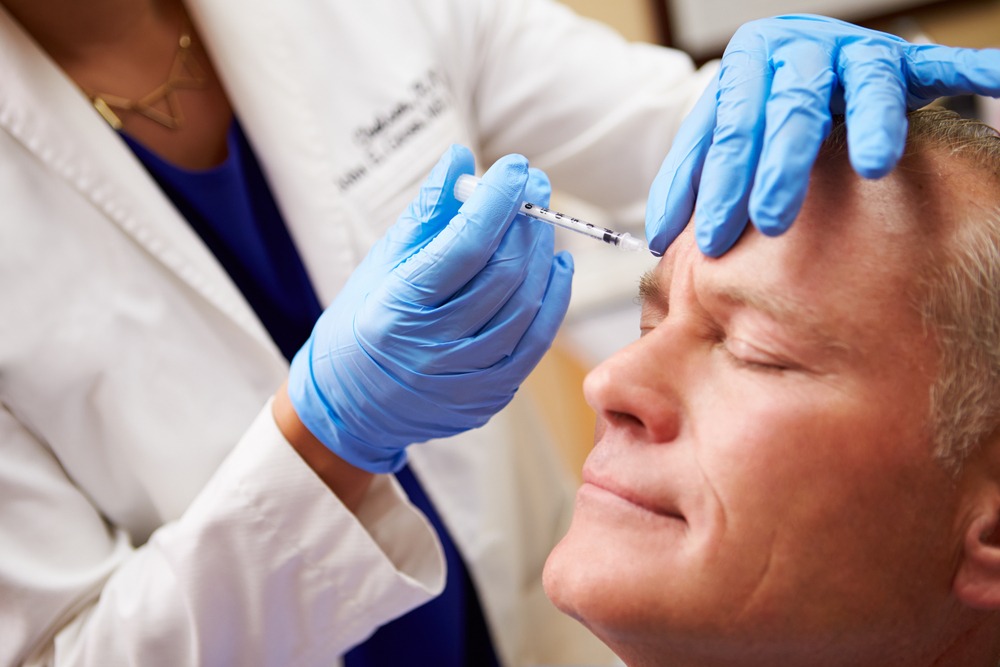
Botox treatments are commonly referred to as Wrinkle Relaxing Treatments.

You can read more information about Botox Treatments here.


Popular cosmetic Botox treatments include:

  • Frown Reduction
  • Brow Lift
  • Forehead Line Reduction
  • Crows Feet Smoothing
  • Bunny Line Reduction
  • Smoker Lines
  • Correction of Asymmetrical Eye Brows and Facial Features.
  • Nasal Tip Elevation
  • Chin Crease Reduction
  • Reduction of Cobblestone Effect of Chin
  • Reduction of Excessive Sweating from Armpits and Hands
  • Hyperhidrosis
  • Gummy Smiles

View more information about Cosmetic Botox Procedures here.


Meet our Doctors and Nurses who perform Botox Treatments at Cheshire Lasers:

Dr Teri Johnson, our Medical Director, lives in Middlewich, where she has also been a part-time GP partner since 2000. She has been performing Botox treatments in her Cheshire Clinic since 2006. Dr Teri trained in Botox treatments with BCAM (The British College of Aesthetic Medicine). Since then she has attended many courses and conferences to further her education and maintain and improve her skills in Botox treatments and has been treating thousands of patients since 2006.

Dr Teri has her own website where she discusses Botox, Azzalure and Alluzience treatments and aftercare in more detail here.
Find out about her Botox and Aesthetic training here.

Dr Kathryn Hazlehurst a GP and part-time aesthetic doctor, has been performing Botox, Bocouture and Azzalure treatments since 2022.

Dr Kyra Drinnan is a GP partner who has been performing Aesthetics treatments since 2018 and owns De Novo Medical. She usually uses Botox.


Katey Moulton RGN is an NHS community nurse. She trained in Aesthetics in August 2020 and joined Cheshire Lasers in September 2021 as an Aesthetic Nurse. Katey has her own Aesthetic business, Nevaeh Aesthetics, in partnership with her mum, Sara Walsh, an Aesthetic Nurse Practitioner and Independent Prescriber. Katey usually uses issues Azzalure and sometimes Botox.


Dr Teri Johnson

Dr Johnson has been performing Botox treatments in her Cheshire Clinics since 2006. Sheuses Botox, Azzalure, Alluzience and Bocouture Brands, and she specialises in treating the following areas:

View her Botox prices here.


Dr Kyra Drinnan

Dr Drinnan has been providing Botox treatments at Cheshire Lasers since 2022. She specialises in treating the following:

  • The Frown
  • The Forehead
  • The Eyes
  • Bunny Lines
  • Smokers Lines
  • The Chin
  • Masseters
  • Platysmal Bands / Neck Lines
  • Depressor Anguli Oris Muscle for Sad Mouth Corners
  • Hyperhidrosis Underarms, Forehead and Scalp Area

View her prices and when she is available here.


Dr Hazlehurst has been providing a range of treatments, including Botox, at Cheshire Lasers since January 2024.

She specialises in treating the following:

  • The Frown
  • The Forehead
  • The Eyes / Crows Feet
  • Exessive Sweating for underarms
  • Masseter for Bruxism (jaw clenching) & jawline slimming
  • Lip Lines
  • Gummy Smile
  • Nasal Flare
  • Platysmal Neck Bands
  • Bunny Lines
  • Chin Creases / Pebble Chin
  • Full Face Toxin for pores, wrinkles and redness
  • Full Neck Toxin for skin concerns

View her prices and when she is available here.


Katey Moulton RGN

Aesthetic Nurse Katey has been performing treatments using Azzalure and Botox at Cheshire Lasers since 2021. She specialises in treating the following:

  • The Frown
  • The Forehead
  • The Eyes / Crows Feet
  • Bunny lines
  • Nasal flare
  • Nasal tip lift
  • Elevating oral commissures
  • Lip flip
  • Peri oral lines
  • Gummy smile
  • Dimpled chin
  • Masseter Reduction
  • Platymsal neck bands

View her prices and when she is available here.

Botulinum toxin is a prescription-only medicine, and Katey is not a prescriber. You will, therefore, need a consultation with her prescriber, Sara Walsh, before you have a treatment with Katey.


Reflexology for Menopause Transition


Reflexology treatments Middlewich Cheshire


At Cheshire Lasers Clinic, Sharron Roughton and Tara Shotton provide Reflexology for Menopausal Transition Symptoms.


What is Reflexology?

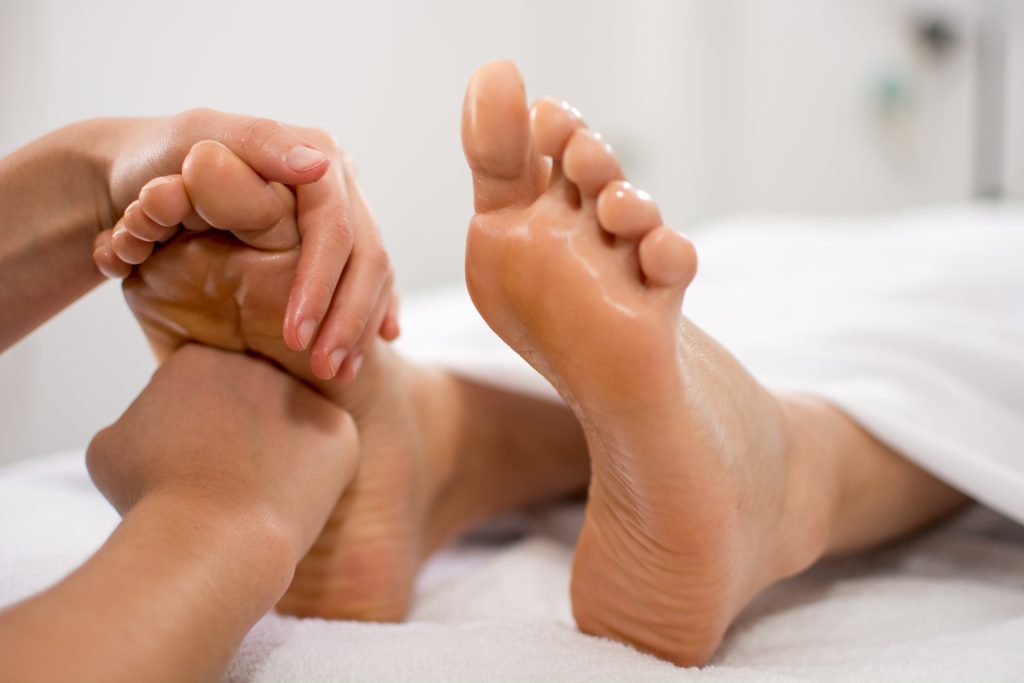
Reflexology is based on the principle that certain reflex points on the feet are linked to different organs of the body. When the points on the foot are stimulated by massage, it is thought that this then stimulates the corresponding organ.


Reflexology can help manage and improve symptoms during Perimenopause, Menopause, and beyond.

It offers a holistic approach to hormonal regulation and supports women through the natural life cycle. Reflexology is thought to help manage and improve symptoms and support health and general well-being.

Menopause reflexology focuses on key reflexes for common menopausal symptoms. The treatment aims to reduce symptoms on a physical and emotional level.

Reflexology can be helpful for ladies looking for a natural approach to managing their menopausal symptoms and for those on HRT.

You can book a course of treatment as part of your menopause care or you can book a one-off treatment for relaxation or an ongoing management of symptoms.


What is the Perimenopause?

Before menopause, a woman’s periods typically become irregular, which means that periods may be longer or shorter in duration or be lighter or heavier in the amount of flow. During this time, women often experience hot flushes/flashes; these typically last from 30 seconds to 10 minutes. They may be associated with shivering, sweating, and skin reddening. Hot flushes often stop occurring after a year or two. Other symptoms may include poor memory, general aches and pains,  vaginal dryness, trouble sleeping, and mood changes, including anxiety. The severity of symptoms varies between women. These symptoms can occur at any time in the perimenopause and can affect women in their 40s until their later 50s and sometimes beyond.


What is the Menopause?

Menopause is the time in most women’s lives when menstrual periods stop permanently, and they are no longer able to bear children. Menopause typically occurs between 49 and 52 years of age. Medical professionals often define menopause as having occurred when a woman has not had any vaginal bleeding for a year. It is due to a decrease in hormone production by the ovaries.


The following studies demonstrate the benefits of Reflexology during the Menopause:

https://www.ncbi.nlm.nih.gov/pubmed/19901496
https://www.ncbi.nlm.nih.gov/pubmed/12269681
Menopause


Want to know more?

Sharron and Tara both provide Reflexology to support the menopause transition.

The links below provide access to their profiles, prices, and contact details. Please contact them directly to discuss further.

Find out more about Tara.

Find out more about Sharron.


Sculptra


sculptra Cheshire


Dr Teri Johnson performs all the Sculptra Treatments Cheshire Lasers Clinic


What is Sculptra?

Sculptra is a facial treatment that gives you deep tissue regeneration to help reduce the signs of ageing in your face. Unlike traditional Dermal Fillers, Sculptra works to replace lost collagen and replenish volume in your face more subtly over time, giving you a more natural looking appearance.


Sculptra is one of Dr Teri Johnson’s favourite treatments, in fact she has Sculptra herself. She trained in this procedure in 2008 and has attended regular update courses since then to improve her techniques and make sure she is up to date with current practice. Dr Teri follows the latest recommendations for preparing and administering the treatment, she uses a cannula to inject the product most of the time but sometimes she still uses needles.

On average Dr Teri performs around 5 Sculptra treatments a week at Cheshire Laser.


Sculptra was previously known as New-Fill and was launched in the U.K. in the year 2000. It was rebranded under the new name Sculptra in 2004 and is growing in popularity in the U.K. and Europe.

Sanofi Aventis used to distribute Sculptra however Sinclair took over its distribution a few years ago.

The advantage of Sculptra is that larger areas can be treated with a longer lasting result.


What is Sculptra made from?

Sculptra is made from Poly-L-lactic acid a synthetic polymer manufactured from lactic acid it does not require a skin test.
ThePoly-L-lactic acid is completely broken down within the skin over a period of months, however the results (new collagen growth) can last for up to 3 to 4 years.


Sculptra can be used for:

  • Replacing lost volume caused by ageing
  • Smooth lines and wrinkles in the cheeks and chin
  • Deep folds and wrinkles
  • Volume defects e.g. sunken cheeks and temples
  • Contour enhancement
  • Improving skin texture

How does Sculptra work?

The Poly-L-lactic acid in Sculptra stimulates collagen production in the areas it is injected to replace lost collagen and replenish volume in your face. The results develop slowly over time, giving you a natural looking appearance.


How many treatments will I need?

The number of treatments required to achieve the desired affect depends on your age and how well you make collagen due the the product.

It also depends on how deep your wrinkles are as well as the amount of volume, lift and contouring you desire.

For optimal results 2-4 treatments are usually required using between 2 and 6 vials of Sculptra. Treatments can be every 6 weeks, however they can be spaced every 3-6 months if you are not in a rush to see the end results.


How long does Sculptra last?

In contrast to some other treatments that require frequent refresher sessions, clinical trials indicate that Sculptra is effective for up to three years and in some cases longer, most people find the results last around two or more years.


During a Sculptra Treatment:

Dr Teri will make sure your face is thoroughly cleansed.
She will then apply a cream to numb the skin.
Photos will be taken of your face, and you will be examined to decide which areas need treatment.
The treatment itself will take about 30 minutes, and Dr Teri will use either a cannula, a needle or both depending on your needs.
Dr Teri will then massage your face and advise you about aftercare.


After Sculptra Treatment:

Massage is very important after Sculptra treatments and should be performed for 5 minutes, 5 times a day over the first 5 days.

After this, massage twice daily for 5 minutes for 6 weeks.

Massage is very important after Sculptra treatment it ensures the even distribution of the product in the tissue and makes sure collagen production occurs evenly and not in clumps.

After treatment, you should notice gradual results over the next several weeks. In general, it takes approximately six weeks to see some effects and the effects continue to develop up yo a year after treatment, sometimes even longer.


Side Effects:

Common effects at the site of injection include:

  • Bleeding
  • Tenderness
  • Mild Discomfort
  • Redness
  • Bruising
  • Swelling

These side effects generally resolve in 2-6 days.

More rare side effects include:

Nodule formation (small bumps) after injection. This is very rare and can be caused by too much product being injected or lack of massage. These small bumps may not be visible, and you may notice them only when you press in the treated skin. These bumps tend to happen within the first 6 to 12 months after the first treatment. Typically resolution is spontaneous, over a period of months. Massaging regularly after treatment reduces the risk of nodules.

Tissue infection/abscess is very rare and can be treated with antibiotics.
Granuloma (tissue nodules) are very rare and can be treated with injection of steroid into the affected area.

Hypersensitivity/allergy is very very rare and can be treated with antihistamines.


View Dr Teri’s Prices for Sculptra at Cheshire Lasers here:


Check out this video about Sculptra:

This is Franca's story:

Profhilo


Profhilo is currently one of the most popular treatments at Cheshire Lasers


profhilo treatment cheshire


What is Profhilo?

Profhilo is a completely new product that uses patented technologies engineered for ‘skin remodelling’. It is made from hyaluronic acid (HA) like many Dermal Fillers however rather than filling lines it is designed to promote collagen and elastin growth to reduce skin laxity.

Thanks to the unique characteristics of Profhilo, improving skin laxity is easily obtained in only two sessions, with a 1-month interval, and only five injection points on each side of the face. Profhilo is suitable for practically anyone, men and women, from 30 years old and with no upper age limit.

Profhilo is the first BDDE-free stabilised injectable HA based product for treating skin laxity.
With one of the highest concentrations of HA on the market (64mg/2ml) it is not only boosting and hydrating the skin, but also remodels the ageing and sagging tissue. As a stabilised product Profhilo lasts in the skin around 28 days. During this time the stimulation of 4 different types of collagen and elastin takes place by slow release of HA.
The stimulation results in significant tissue improvement. Therefore, we cannot say that Profhilo is a skin booster as it also has a significant tightening/lifting effect on the tissue.

Profhilo is licensed as a Medical device and has a European CE Mark. The treatment is temporary as the HA completely breaks down within the skin, leaving no trace.


Can you combine Profhilo with other treatments?

Profhilo delivers great results as a treatment on its own or in combination with other aesthetics treatments currently on offer.

Treated areas shouldn’t be reinjected with any other products within 2 weeks of the initial procedure.

Unless the same doctor/ nurse is performing the treatments  we recommend, Botulinum Toxin should be injected two weeks prior or 2 weeks after a Profhilo treatment.

We recommend you leave a 2 weeks window pre and post any Microdermabrasion, chemical peel, facial or IPL treatment.

Fractional resurfacing 3–4 weeks distant.

We do not recommend Profhilo treatment in the immediate period following other routine medical procedures (including vaccination) and dental procedures.  At Cheshire Lasers, we recommend you leave a 2-week window  pre and post-Prohilo treatment.


What happens during a Profhilo Treatment?

During the treatment, we inject the product using very fine needles in five specific points on the face. These are called the Bio Aesthetic Points (BAPs).

At Cheshire Lasers, we usually perform Profhilo using this BAP technique. It makes the treatment effective and simple, reducing the chance of pain, bruising or haematoma at the injection sites.

Once injected, the product immediately starts spreading under the skin and disperses evenly,  integrating within the skin’s existing tissue.


How long do the results last?

You should notice the results of the treatment – increased firmness, elasticity and an overall improved quality of your skin for around six months.

However, other factors can affect the results, such as your age, your lifestyle and your skin’s natural ageing process.


How many Profhilo treatments will I need?

For most patients, we recommend an initial course of two treatment sessions, with an interval of one month between sessions.

We then recommend top-up and maintenance sessions approximately every six months, depending on your body’s response to the initial treatment.


How much is a Profhilo treatment?

A single 2ml treatment is approximately £270- 325. The price varies according to the practitioner and their experience.

The following doctors and nurses provide Profhilo. You can view their prices on their page:


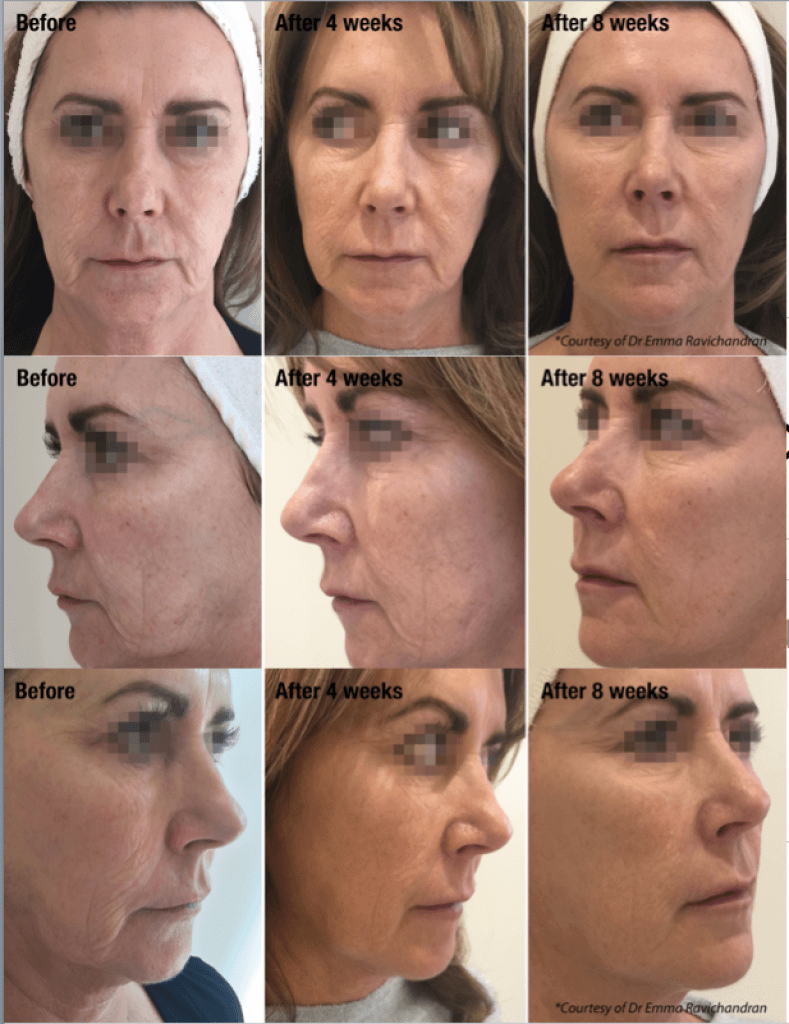
before and after profhilo


Are there any side effects from Profhilo treatment?

Immediately after treatment, lumps are noticeable at the injection sites and look like midgey bites. The lumps reduce quickly over a few hours and usually disappear by the next morning.

You may experience redness, itching, discolouration and tenderness at the injection site.  These effects are mild and usually fade quickly.

Bruising can occur and may last several days, sometimes a bit longer.


Is Profhilo suitable for everyone?

Profhilo is suitable for anyone who is looking for treatment for the signs of ageing skin.

At Cheshire Lasers we do recommended profhilo if:

  • you have a hypersensitivity to hyaluronic acid
  • you are pregnant or breastfeeding


Skin Tag Removal


skin tag removal Cheshire


At Cheshire Lasers, Facial Surgeon Mr Will Allen,  Dr Kyra Drinnan, Dr Kathryn Hazlehurst and Advanced Electrolysis technician Helena perform Skin Tag Removal.


What are Skin Tags?

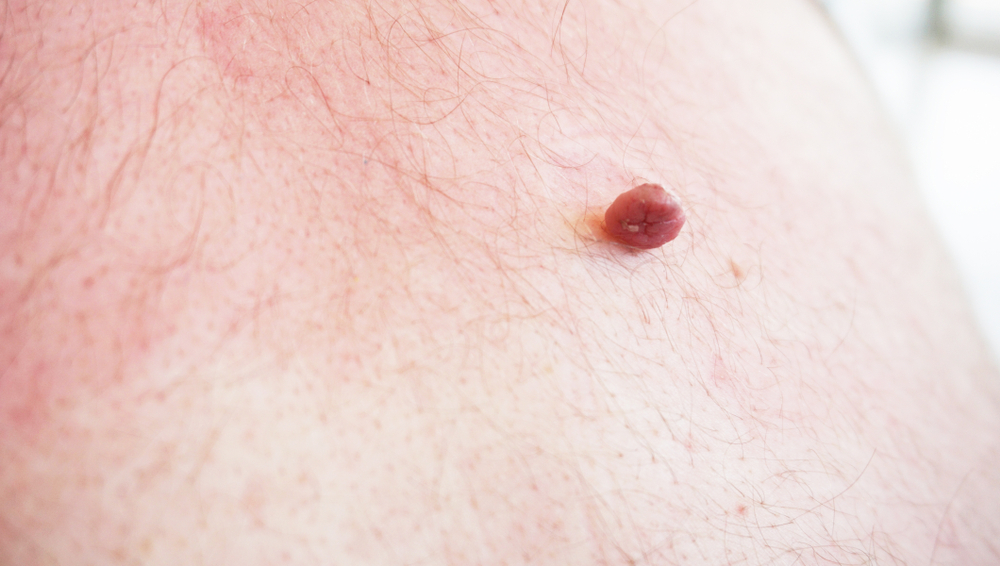
Skin tags are small flesh-coloured or brown growths that hang off the skin. They are very common and harmless.

Skin tags are usually a few millimetres in size, although they can be as big as 5cm.

They are often found on the neck, armpits, around the groin or under the breasts. They can also grow on the eyelids and under the folds of the buttocks.

The medical name for skin tags is acrochordons.


Why do Skin Tags occur?

Anyone can develop skin tags, but they are particularly common in older people, and some develop them for no apparent reason.

Skin tags often grow where skin rubs against skin or clothing. This would explain why they tend to affect overweight people who have excess folds of skin and skin chafing.


When skin tags can be a problem

Skin tags are harmless and do not usually cause pain or discomfort.

However, you may want to consider their removal if they are unsightly. They can affect some people’s self-esteem or can snag on clothing or jewellery and bleed.

Skin tag removal is a cosmetic procedure, which is very rarely available through the NHS. Generally, the NHS will only carry out cosmetic surgery procedures if the problem is affecting your physical or mental health.

Sometimes, skin tags fall off on their own if the tissue has twisted and died from a lack of blood supply.


Removing skin tags

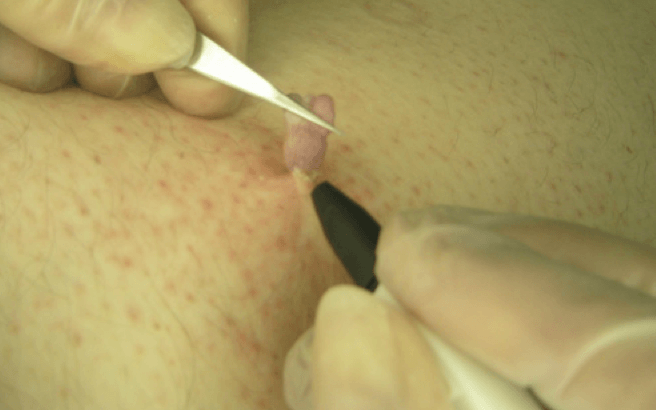
Skin tags can be removed using electrocautery, cryotherapy (frozen off ) or surgically.

If your skin tag is small with a narrow base, your GP may suggest you try removing it yourself by:

  • tying off the base of the skin tag with dental floss or cotton to cut off its blood supply and make it drop off
  • cutting it off with fine sterile scissors

Do not attempt to remove large skin tags yourself because they will bleed heavily.


Skin Tag Removal at Cheshire Lasers

At Cheshire Lasers Clinic, the following specialists perform  skin tag removal:

Facial Surgeon Mr Will Allen uses a range of treatments, including cryotherapy and electrocautery.

Dr Kathryn Hazlehurst  uses:

Dr Drinnan uses Cryotherapy.

If you have multiple skin tags, it is quicker and more cost-effective to have a liquid nitrogen treatment.

For very small skin tags that are very small or close to to the eye, we recommend the intricate work of electrocautery or advanced electrolysis is better.

For large skin tags we recommend you book in with Surgeon Mr Will Allen in case you require minor surgery.


What is the cost of removing skin tags?

View our specialists’ individual price lists and days they are available here:

Facial Surgeon Mr Will Allen

Dr Kyra Drinnan

Dr Kathryn Hazlehurst

As this is a cosmetic procedure, you do not need a referral letter from your GP.

Our Medical team can often perform your treatment on the day of your consultation, but if you have many skin tags or if they are in an unusual position, we recommend you phone us to discuss before you book a consultation/treatment appointment.


How do I book a Treatment

For simple lesions, you can book a consultation on its own or consultation and treatment on the same day.

For more complex lesions, you may prefer to email us information about the lesion with photographs so we can forward it to our doctors, who can advise on their recommendations.

You can book over the phone on 01606 841255 or book your appointment online here:

Book an appointment with Cheshire Lasers


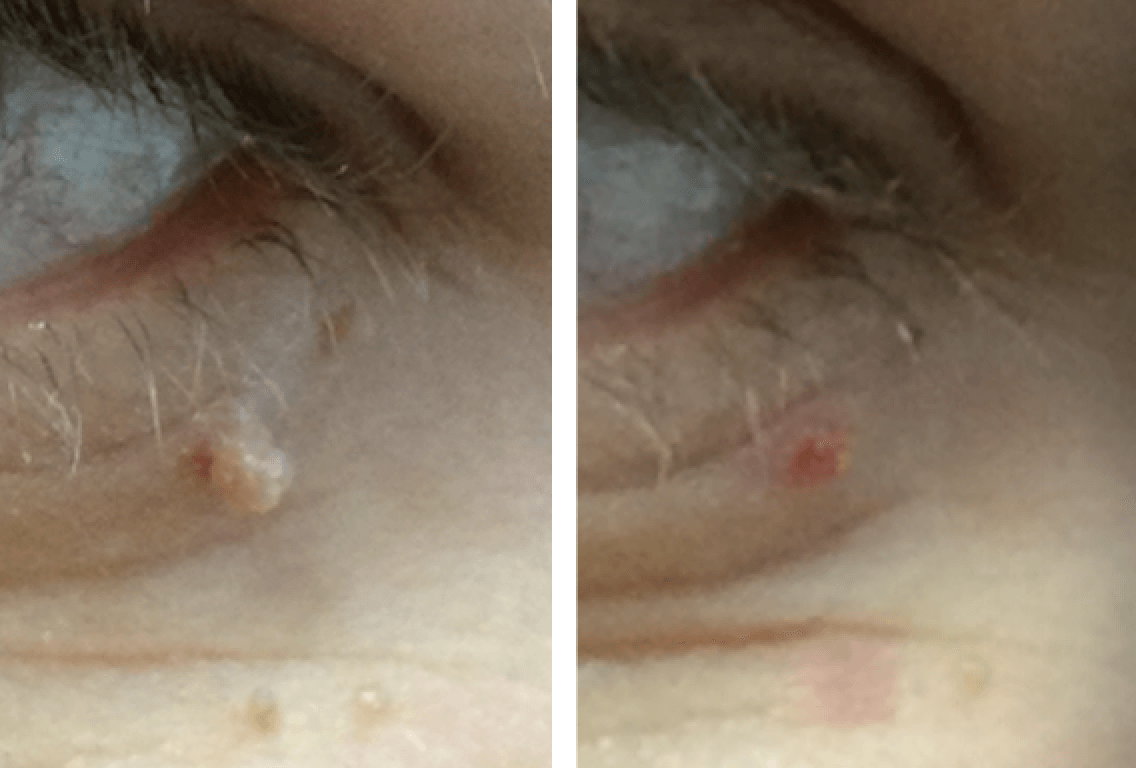
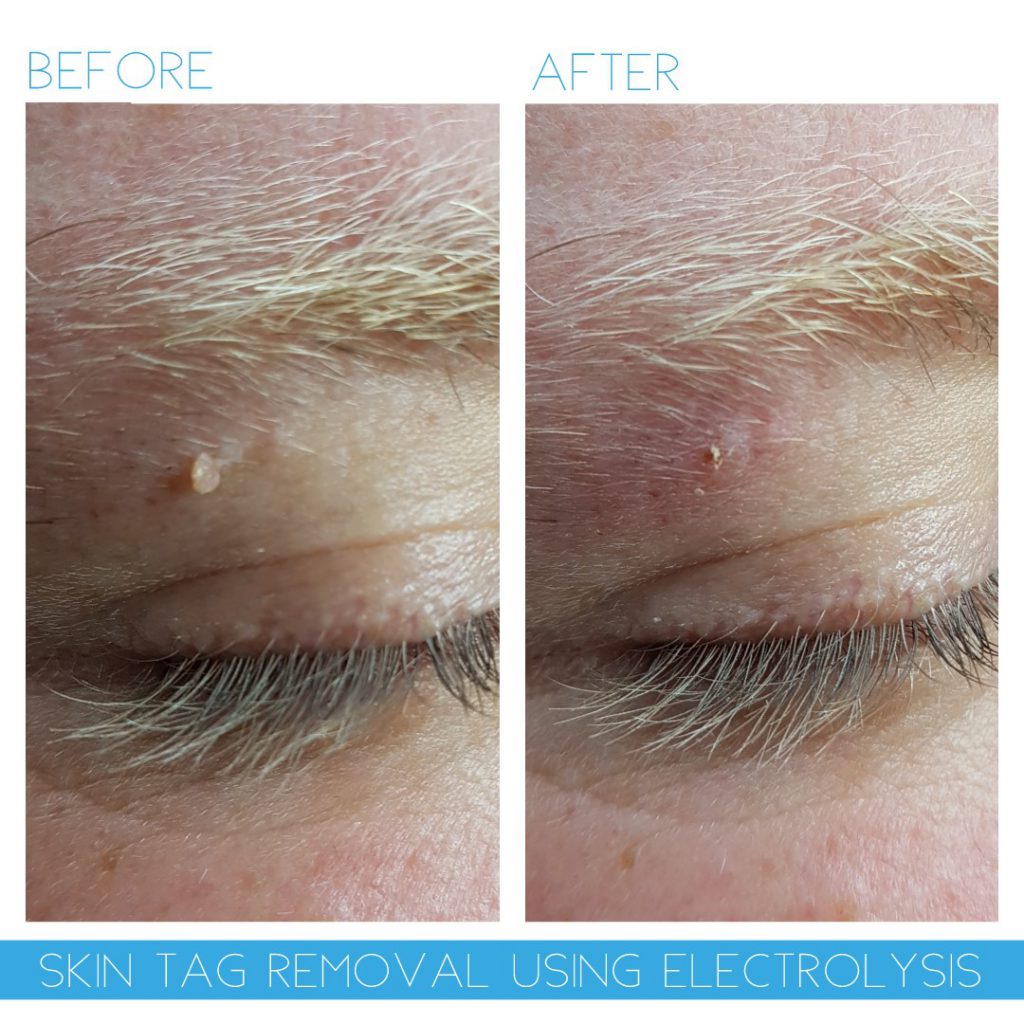
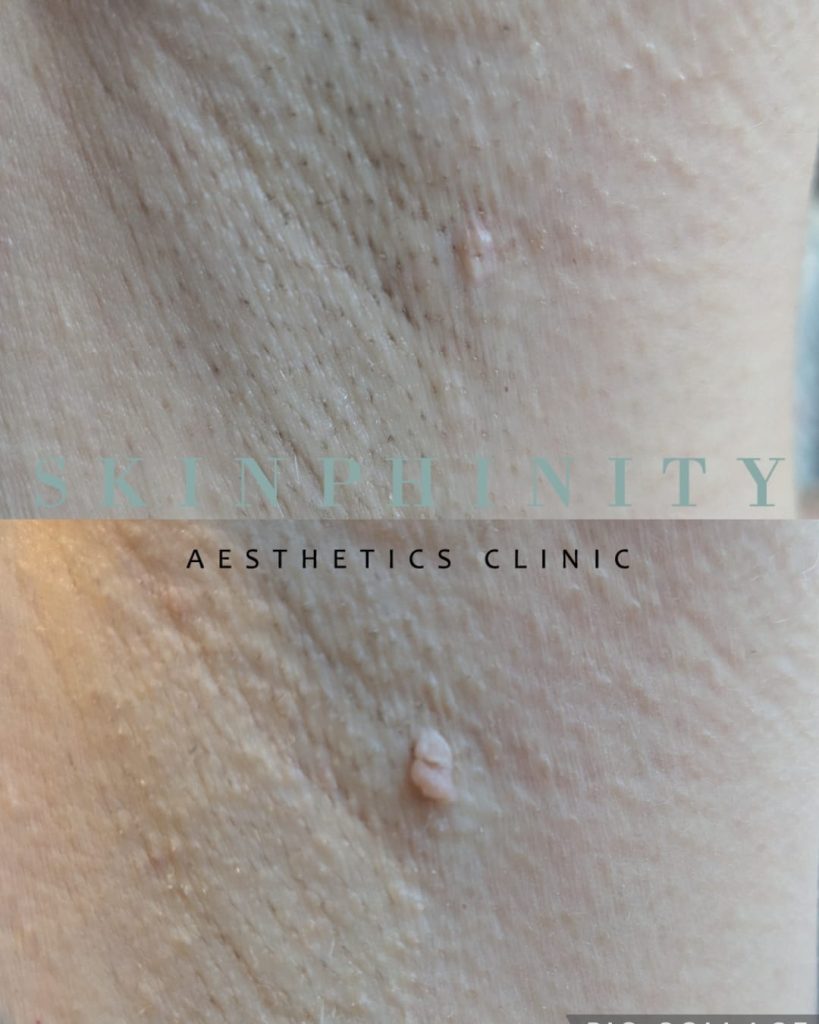
Here is a photo before and immediately after a skin tag treatment near the eye area

This image demonstrates the appearance of the skin before and immediately after an electrocautery skin tag removal treatment close to the eye area. Two skin tags have been removed in the centre of these images a larger skin tag and a smaller one.

As you can see with electrocautery the response can be seen immediately, however, the surrounding skin may look red and inflamed for a few hours to a few days later.
You will see a scab form at the treatment site and some dry, shrivelled skin where the lesion was located the area will soon recover and it is usually fully healed within seven days.


Complications are rare after this treatment; however, infection, reaction to anaesthesia, lesion recurrence, skin atrophy, skin ulceration, skin discolouration and the formation of a scar can occur.


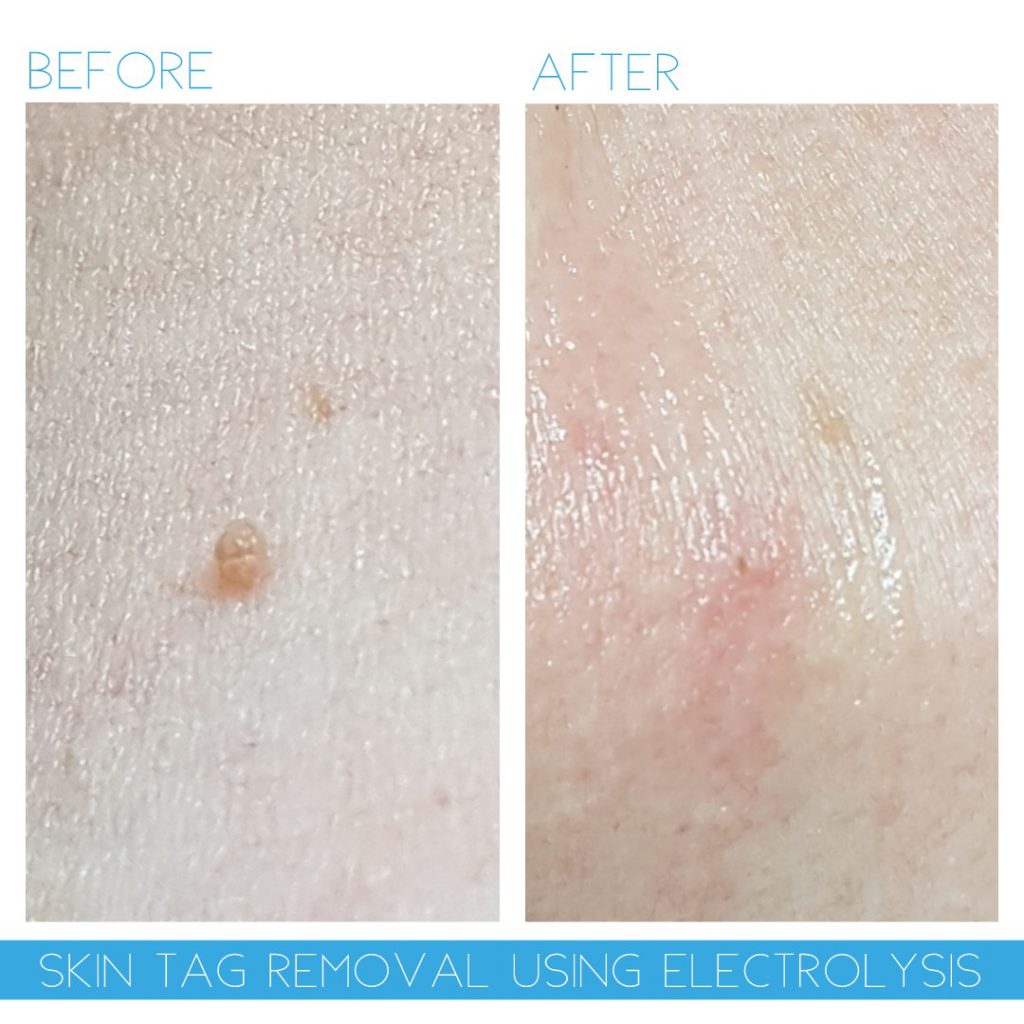
View some skin tag treatment before and after images:

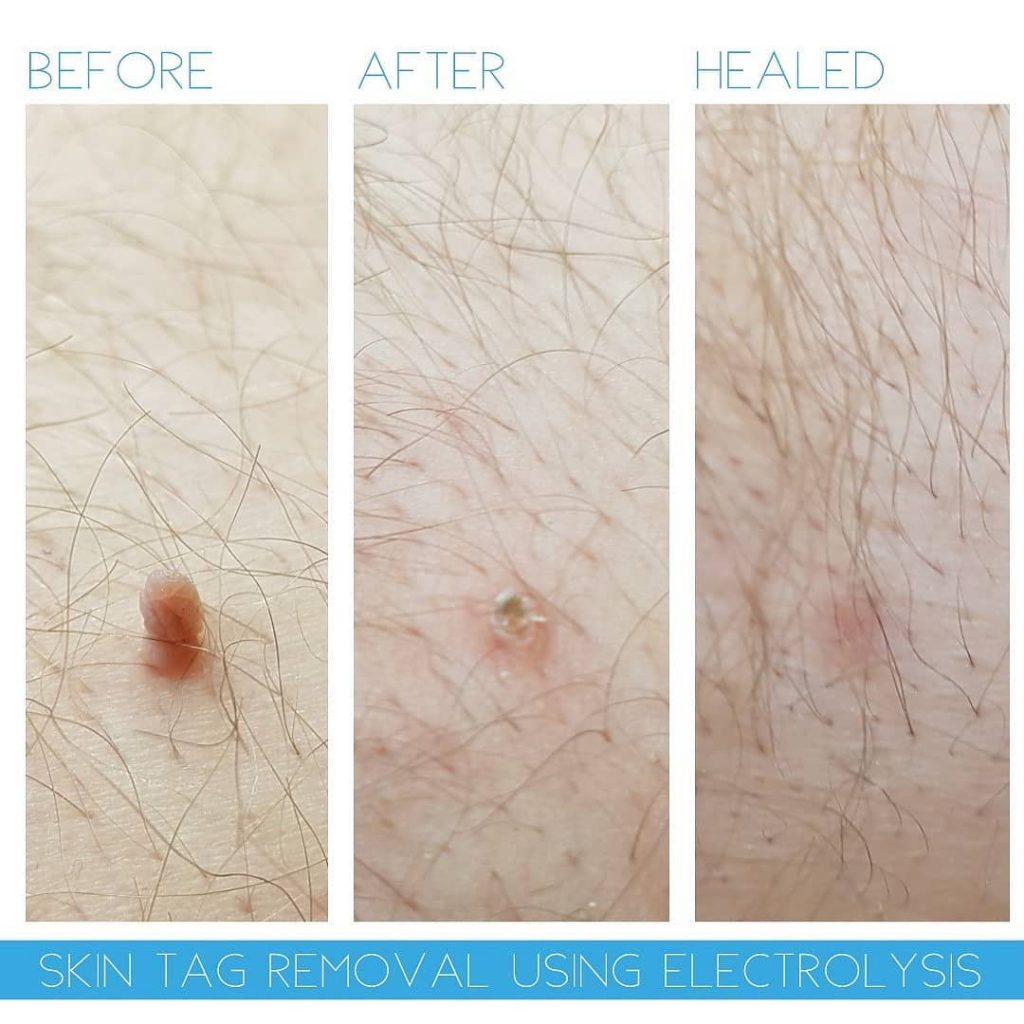
skin tag Cheshire removal

Helena Fryer Skin tag removalskin tag removal cheshire


 More before and after skin tag treatments:

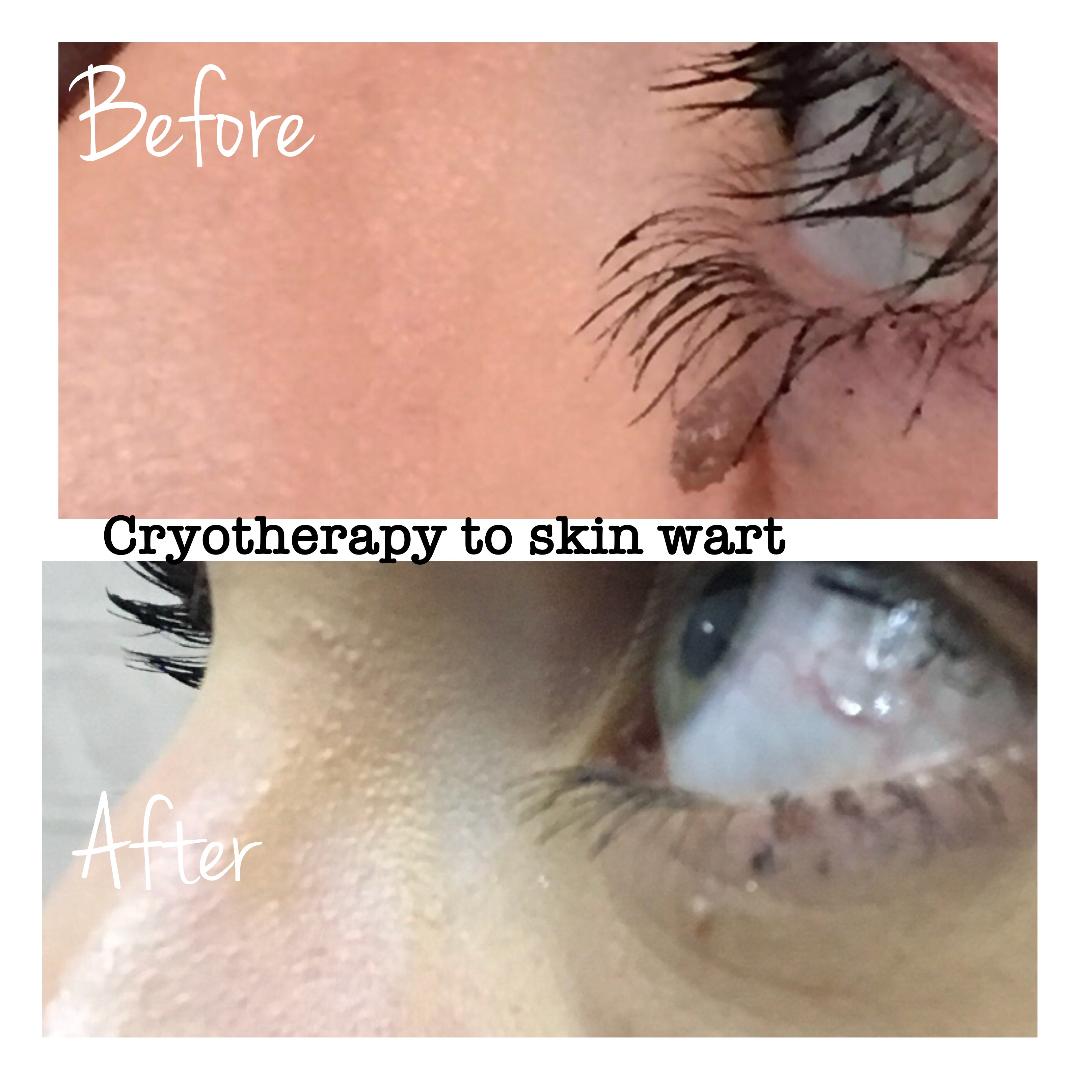
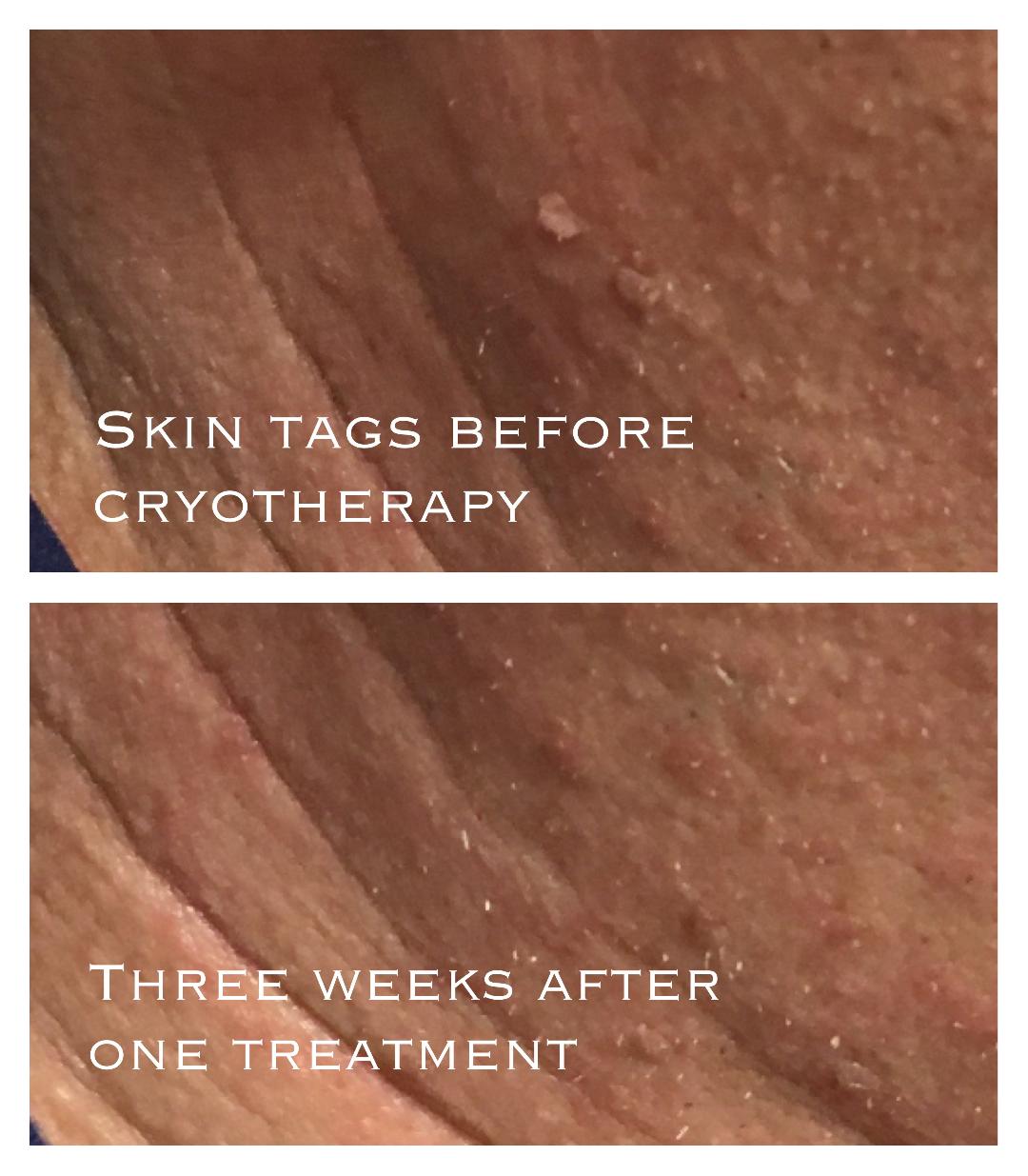
skin tag removal Cheshire Lasers

Before and after cryotherapy to a skin tag


Ultraformer III Body Treatments


Ultraformer Body treatments Cheshire Lasers


What is Ultraformer HIFU Treatment?

Ultraformer is an advanced High-Intensity Focused Ultrasound (HIFU) treatment. It is a non-invasive treatment that uses focused ultrasound waves to penetrate deep into the skin and underlying tissues without damaging the surface to deliver a non-invasive face, neck and body lifting treatment.

Benefits

  • Tightens and firms the skin.
  • Destroys fat cells.
  • Increases the elasticity of the skin.

Ultrasound Energy has a Thermal Effect.

The body treatments focus the energy precisely to specific depths between 1.5mm to 13mm below the skin. The energy generates tiny pockets of heat in the targeted areas ( around 56-70c).

Fat Cell Disruption

This heat is enough to disrupt the fat cells and cause them to break down.

The destroyed fat cells are then naturally processed and eliminated by the body’s lymphatic system over the following weeks. This reduction in the fat cells leads to a reduction in body fat.

Skin Tightening

The heat generated by the ultrasound waves also stimulates the production of collagen. Collagen helps keep the skin firm and more elastic. By stimulating collagen production, HIFU helps tighten loose or sagging skin on the abdomen and thighs.

Results are not immediate and can take up to 12 weeks to become noticeable as the body processes and eliminates the destroyed fat cells; however, some clients may notice immediate tightening.


What parts of the body can the Ultraformer treat?

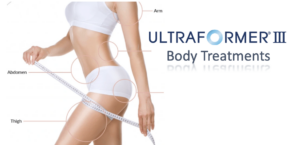
The Ultraformer III can treat most body parts. At Cheshire Lasers, we mainly treat the abdomen where it works the best; sometimes, we also treat above the knees and upper arms.

We can, however, also treat the face, jowl area, neck and chest.


How long does an Ultraformer Body Treatment take?

Ultraformer III has a fast shooting speed, which means some treatments take only 45-60 minutes.


How many Ultraformer Body Treatments will I need?

For body contouring, approximately three treatments are usually enough for most people; however, some may need less and some more for the best results.

Treatments are usually carried out every month.

The results can last up to a year, so you may decide to have further treatment when the results start to wear off.


When will I start to see results after an Ultraformer Body Treatment?

Ultraformer III can show some immediate results as the stimulating heat can make your skin look more rejuvenated, fresher, tighter and firmer. However, the final results develop 60 to 100 days after the treatment, when the fat reduction and collagen regeneration become more noticeable.


What is the recovery time for Ultraformer treatments?

You can go back to work and normal life immediately after the treatment.


Is the Ultraformer treatment painful?

During the treatment, you will feel warm pulses of ultrasound energy deep under the skin, causing the collagen and muscle layers to contract. Some people may find this uncomfortable, but others report no pain with the treatment at all. Some people will need to take some simple painkillers before the treatment; however, this depends on the pain sensitivity level of each individual, the area to be treated, and the size of the area to be treated.


Does Ultraformer have any side effects?

The heat levels created by the Ultraformer device only treat the targeted area and do not damage the surrounding tissue. The energy targets the deeper levels of the skin and not the upper layers, so there are usually few visible signs on the skin’s surface post-procedure. The only noticeable effects are usually tightening and redness an hour or two after treatment. A small percentage of patients may have slight swelling, tingling or tenderness to touch over the treated area, but these are mild and tend to last no more than a few days.

A small proportion of people may experience slight tingling or tenderness in the area treated for several weeks as the growth of new collagen occurs.
The most frequently reported side effects are:

  • Swelling
  • Redness
  • Tingling of the skin
  • Tenderness
  • Bruising

Is Ultraformer safe?

Ultraformer has been cleared by the Korean FDA after demonstrating safety in clinical studies. Tens of thousands of treatments have been performed worldwide without significant adverse events. Ultrasound energy has a proven track record and has been used in the medical profession for over 50 years, including pregnancy scans.

View more details about how Ultraformer works here.


Contraindications to Ultraformer Treatments include:

  • Pregnancy
  • Metal implants in the treatment area
  • Tumours
  • Uncontrolled Epilepsy
  • Recent surgery
  • Heart conditions
  • Severe skin laxity
  • Excessive fat


How is the Ultraformer different from Radiofrequency (RF)?

Radio Frequency (e.g. Endymed, Thermaclinic) addresses issues in the superficial layers of the skin (e.g. fine lines, wrinkles, skin tone and texture). The Ultraformer addresses the deep skin layer and the foundational muscle layer that lifts and supports the skin, similar to cosmetic surgery. Therefore, the two technologies can be used together depending on your skin concerns.


View before and after images for face, neck and body treatments here.


View this recommendation from the famous Dr Sebagh from London and Paris.


Download our Ultraformer Leaflet here. 


Ultraformer Body Treatment Prices:

For facial Ultraformer treatment information and prices view this page.

For the eye, lip, and other Ultraformer wrinkle treatment prices, view this page.


Ultraformer Body Prices Cheshire LasersA large area is A4 size in total.

A medium area is A5 size in total.

A small area is A6 size in total.

Juvederm

juvederm ultra Vycross Cheshire


Juvéderm was first launched in the UK in 2001.
It contains cross-linked hyaluronic acid similar to the body’s own natural collagen.
It is non-animal in origin and does not require a patch test.
The gel plumps out skin, filling lines and deeper folds. It is a safe treatment available in different formulations.


Juvederm Ultra

Juvederm Ultra was launched in 2008, combining local anaesthetic in the products for improved comfort. This is a wonderful product for smokers lines and subtle lip enhancements if you do not want to have a dental block for pain relief.

Dr Johnson has used this filler since 2008 at her clinic, Cheshire Lasers. She has seen how this filler can last up to a year, if not longer. How long it lasts depends on the area it is used and also on the metabolism of the individual.

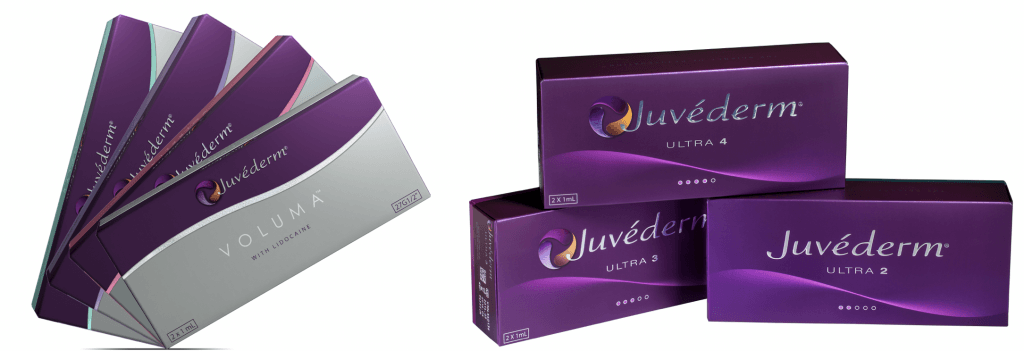
  • Juvederm Ultra 2
    For forehead wrinkles and moderate furrows, e.g. glabella lines and mild nasal furrows and lips.
  • Juvederm Ultra 3
    For folds, moderate nasolabial furrows and lips, e.g. nasolabial folds, marionette folds, and adding volume to the lips.
  • Juvederm Ultra 4
    For deeper folds, facial contouring, cheek and chin enhancements.
  • Juvederm Ultra Smile
    For lips.

Juvéderm’s Vycross Range

Juvéderm’s Vycross Collection were the first hyaluronic acid gel filler to be clinically proven to remain in the body for up to, and above, a year. They all contain 0.3% lidocaine (lignocaine) to improve comfort while they are being injected.

Voluma was introduced to the UK in 2009, Volift and Volbella in 2013 and Volite in 2017.

Volbella for lip rejuvenation and tear trough rejuvenation.

Volift for use in treating deep wrinkles and skin depressions, to improve the contouring to the face and lips, and to restore lost volume.

Juvederm Voluma –  A great product for replacing volume loss from the cheeks and upper face, as well as the jawline. Voluma lasts a year or more in most individuals.

Dr Teri Johnson uses the Juvederm range at Cheshire Lasers for a lot of her lip treatments, for the 8-point lift and some facial contouring.


How much are Juvederm Fillers at Cheshire Lasers?

Dr Kyra Drinnan and Dr Teri Johnson use Juvederm Dermal Fillers at Cheshire Lasers Clinic.

View their prices from the links on this page. 


View more information about Juvederm here.


Restylane Vital Skin Boosters


restylane Cheshire dermal filler skinbooster


Restylane Vital Skin Boosters counter the effects of sun damage and provide deep dermal hydration. They improve skin elasticity, making the skin look hydrated and feel smooth to the touch. It is perfect for difficult-to-treat areas, such as the backs of hands or décolletage, as well as the face.

They contain hyaluronic acid which provides deep dermal hydration and moisturising from within to improve skin tone and health. Restylane Vital Skin Boosters diminish the fine crepey lines caused by sun damage and skin ageing. They smooth the skin to give a plump and hydrated look.

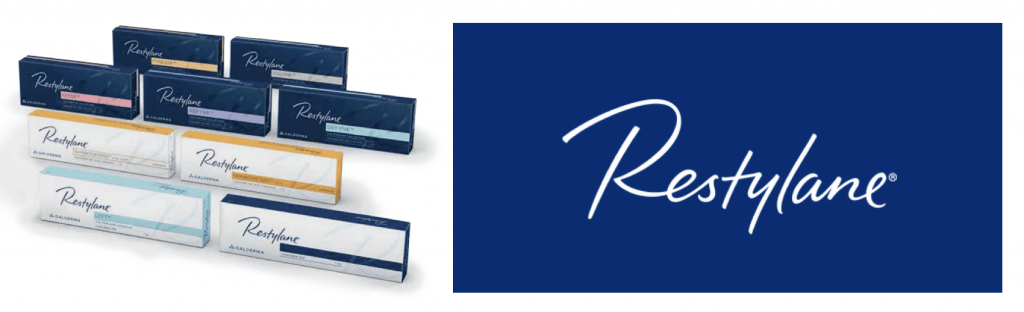
Restylane Vital Skin Boosters are part of a larger Restylane range of products. They have been around for decades, and have FDA approval.

Find out more about the Restylane range here. 


What does a Restylane Vital Skin Booster Treatment involve?

An initial, intense treatment of Restylane Vital usually comprises three sessions, 3-4 weeks apart.

The treatment involves a series of very fine micro-injections or a cannula to spread the product under the skin evenly.

There are no restrictions on how often you can receive a Restylane Vital treatment. You can repeat as often as you feel is necessary.

Typically, most people need a maintenance treatment every 4-6 months.

Why not view the Restylane website to see before and after pictures.


Skin Booster Pre-Treatment Advice

    • Pregnancy and breastfeeding are contra-indications to treatment.
    • Alcohol intake should be reduced at least 24 hours before treatment.
    • Medication such as aspirin may cause bruising, as will high doses of Vitamin E.
    • Sunbeds, waxing, electrolysis and laser should be avoided at least 48 hours before treatment.
    • Pain sensitivity may be heightened at certain times (pre-menstrual or following excessive alcohol intake).

We recommend you follow Dr Johnson’s dermal Filler pre and post-treatment advice, which you can find in more detail here.